Understanding Brown Patch and Fungal Spots in Zoysia Lawns
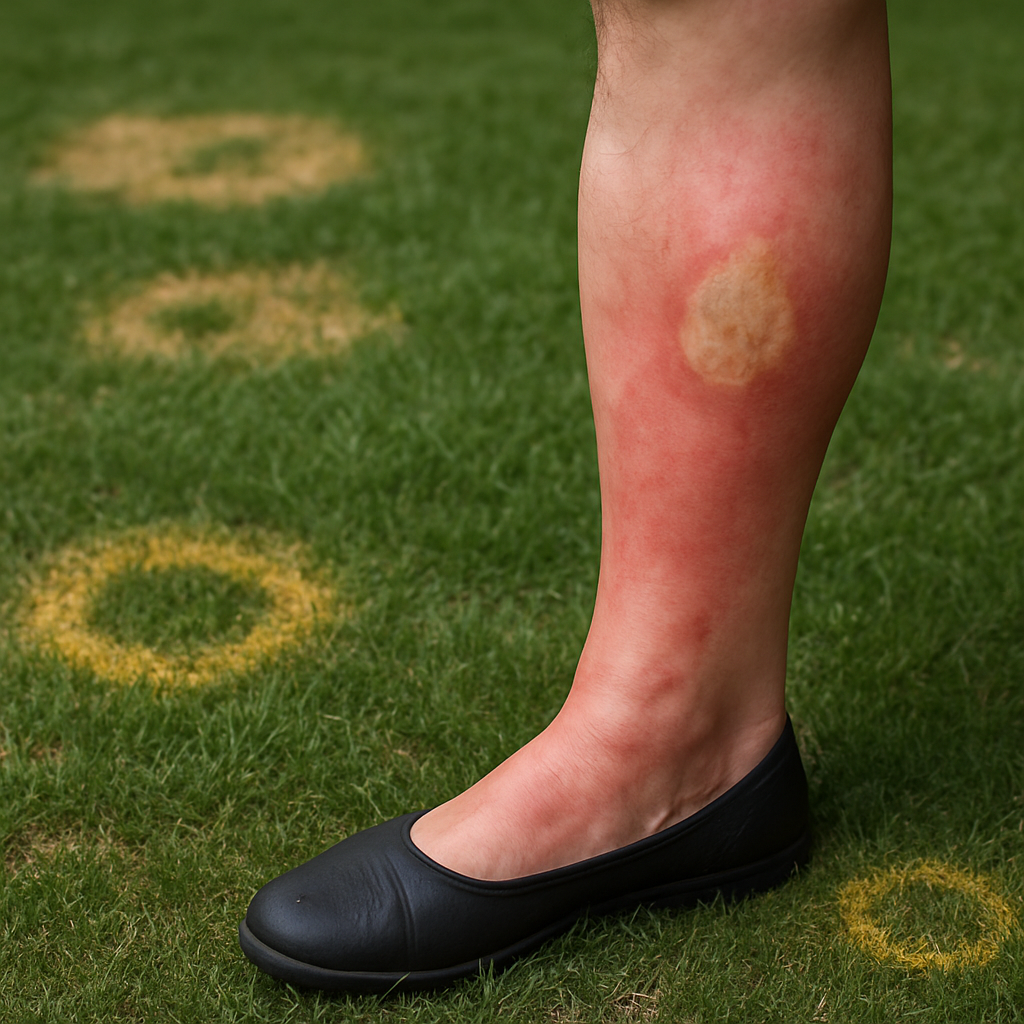
If you search for 'pictures of cellulitis on legs' hoping to identify discolored patches, it is easy to mistake similar symptoms in lawns for human skin diseases. In turf, what appears as lesions or brown spots can indicate a fungal infection, especially in Zoysia grasses. This overview explains how brown patch fungus, often caused by Rhizoctonia solani, leads to patchy, yellow, or orange rings in grass that may resemble certain skin rashes but are specific to turf health. Learn more about Zoysia Patch symptoms and fungal control here.
Spotting Discolored Patches and Their Causes
Fungal infections in Zoysia lawns appear as round, discolored patches with distinct borders. The outer rings are typically yellow or orange, indicating active disease or newly infected, dying grass blades. The origin of these symptoms is the fungus attacking the leaf sheaths, creating a visible contrast to healthy grass.
Seasonal changes, heat, humidity, and excess nitrogen often contribute to outbreaks. Overwatering or poor drainage further exacerbates risk, especially in lush, otherwise green lawns. These grass diseases can mimic other stress symptoms, so precise identification is essential for proper treatment.
USASod.com lists large patch and brown patch fungus as top threats to Zoysia lawns, along with common lawn pests and confusion from dormancy or thatch buildup.
Yellow Rings and "Goosebump Patches": Visual Cues for Fungal Disease
The most distinctive diagnostic feature of brown patch in Zoysia is the so-called "smoke ring"—a circular, yellowish border around each patch. Some observers describe these as "goosebump patches" due to their appearance and raised look compared to the healthy grass.
These patches generally start small but can expand quickly if conditions are conducive to fungal growth, like prolonged leaf wetness or excessive moisture. The grass inside the ring often appears dead or thin, while stolons remain green for a short period. Proper diagnosis can prevent confusion with other turf issues or even skin conditions.
Other visual clues, like water-soaked, dark areas that turn light brown and rings that fail to fill in, should also be monitored. Removing clippings and avoiding mowing wet grass are basic steps to slow symptom spread (Missouri Botanical Garden details identification tips here).
If you notice a patch expanding or staying yellow along the margin, consider the possibility of a fungal infection rather than pests or drought.
Factors Encouraging Patch Development and Spread
Brown patch in Zoysia lawns is linked to several environmental and cultural triggers:
- High heat and humidity, especially late summer or early fall
- Overuse of nitrogen fertilizers or excessive irrigation
- Poor soil drainage, compacted ground, and excessive thatch
- Low mowing height or infrequent mowing
- Insufficient sunlight or air circulation
Even healthy, regularly maintained lawns are susceptible if conditions favor fungal growth. Implementing good lawn care routines and environmental management can reduce the risk and severity of outbreaks. Key prevention steps include aerating compacted soil, maintaining a moderate mowing height, and ensuring good air flow.
Once a patch develops, avoid spreading spores by disinfecting mowing equipment and avoiding unnecessary foot traffic on wet, infected grass. Swift identification and action are vital to curbing further spread to unaffected areas.
Removing infected debris, careful water management, and limiting nitrogen use during susceptible seasons will all help maintain a resilient and healthy lawn.
Environmental control is as important as any chemical intervention for preventing these "cellulitis-like" turf lesions.
Effective Treatments for Fungal Spots and Discolored Turf
Professional fungicide applications are often necessary for severe brown patch or large patch outbreaks in Zoysia grass. Products containing propiconazole, azoxystrobin, or thiophanate-methyl are recommended, with applications timed before visible symptoms emerge—usually in early fall and repeated 30 days later if conditions persist.
USASod.com emphasizes prevention as the most important measure, noting that treating after large patches appear may be too late for full recovery. Repeat applications may be needed during wet and cool periods, or if spring conditions allow for fungal resurgence.
Alongside chemical treatments, non-chemical methods are also critical. These include mowing when grass is dry, pruning nearby shrubs and trees to increase airflow, and promptly removing infected clippings during outbreaks.
Turf Masters Lawn Care provides customized fungicide solutions, focusing on disease resistance and appropriate timing rather than just symptom removal (source).
Prevention: Building Disease Resistance to Avoid "Skin Rash" Turf Symptoms
Consistent good lawn care practices form the best defense against the kinds of brown, ringed lesions that can be confused with skin rashes. These include balanced watering, proper fertilization, mowing at optimal height, aerating compacted soil, and removing excess thatch regularly. Treating underlying issues like soil compaction and drainage is vital.
Proactive cultural care helps build a disease-resistant turf that limits the opportunity for fungal pathogens to cause visible damage. By addressing the main drivers of disease—moisture and nitrogen—you ensure your lawn can withstand stress periods without developing unsightly patches.
While the appearance of grass "lesions" may resemble medical images, understanding their environmental and biological cause will guide you to accurate solutions and lush, healthy Zoysia year-round.
By learning to recognize, prevent, and treat these characteristic turf symptoms, you can maintain a visually appealing lawn and avoid the confusion that comes from comparing grass diseases to skin conditions.
Comments
Post a Comment