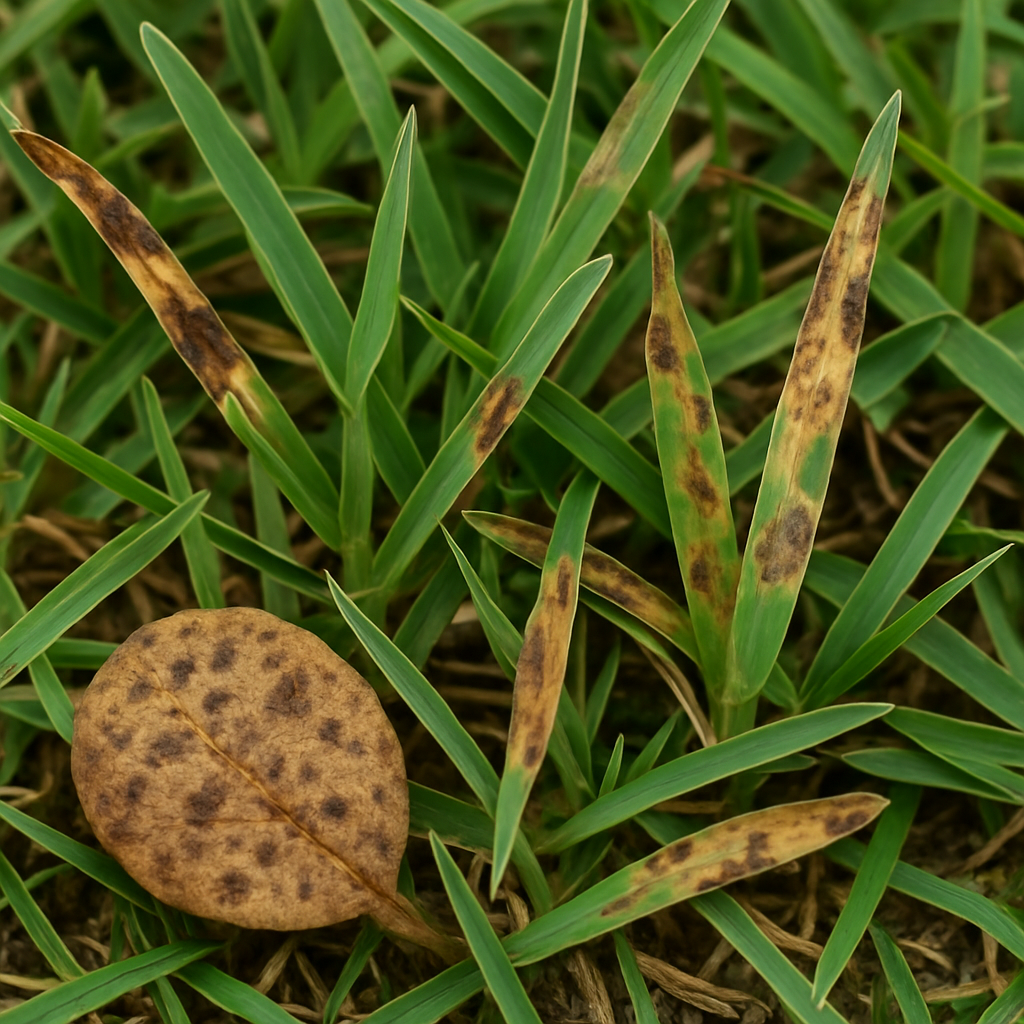
If you are seeking to accurately recognize and diagnose bermuda grass diseases using clear visual cues, high-quality pictures can be invaluable tools for gardeners and lawn enthusiasts. Proper identification of fungal outbreaks and leaf disorders—by closely examining image-based evidence—enables swift, targeted intervention to protect both turfgrass vitality and overall garden health. Below, explore how key visual symptoms can guide you in differentiating common bermuda grass issues, especially those linked to fungal and leaf-based clues seen in real-world lawn scenarios.
The Importance of Using Images for Bermuda Grass Disease Identification
Identifying bermuda grass diseases starts with observing specific patterns and discolorations in the turf. Pictures of affected areas offer practical evidence, helping you distinguish between disease and abiotic disorders like drought or frost injury. Comparing your grass’s symptoms to trusted image resources enhances your ability to pinpoint whether you’re dealing with brown patch, dollar spot, or something less typical like a leaf fungal invasion.
A reliable visual guide also reduces mistakes. According to the University of Arkansas Cooperative Extension, several disease processes can appear similar at first glance, but zoomed-in images reveal differences in lesion shape, border color, and mycelium presence. Such visual nuances form the basis for accurate garden care decisions.
Pictorial references also offer new gardeners, or even seasoned lawn managers, an approachable way to recognize and monitor bermuda grass health. Rather than relying on verbal descriptions alone, visual identification ensures a higher confidence level in diagnosis.
Common Fungal Patterns in Bermuda Grass: What Pictures Reveal
Fungal pathogens cause some of the most problematic bermuda grass diseases. Images of affected areas frequently show telltale signs of brown, yellow, or orange rings, indicating outbreaks like brown patch or large patch. The pattern—a nearly perfect circle with thinning in the center—can be best identified visually, a distinction supported by research from sources such as Turf Masters Lawn Disease Library.
Another prominent fungal sign is the presence of "cottony" white growth, associated with Pythium blight. Early morning photos after periods of high humidity often display this soft, web-like covering over grass blades. Mushroom growth and small lesions surrounded by water-soaked halos also frequently appear in visual guides.
Poor drainage, high humidity, or excess thatch in turfgrass encourage fungal growth. Pictures taken under different light or at various times of day can illuminate changing patterns, helping with ongoing disease tracking and decision-making for prevention and recovery routines.
Interpreting Leaf Symptoms Using Bermuda Grass Disease Pictures
Leaf symptoms, such as spotting, streaking, and tip dieback, are often early indicators of more insidious turfgrass problems. High-resolution images capture these changes in intricate detail: small, circular spots may suggest leaf spot disease, while purple streaks or edges could imply a potassium deficiency or environmental stress.
Discerning between leaf fungal diseases and natural aging requires a practiced eye. Authentic disease images, like those referenced by UA Cooperative Extension, isolate variations in spot color, size, and distribution to differentiate among pathogens like Bipolaris, Drechslera, and Curvularia.
Photographic documentation is also helpful when symptoms evolve. Weekly comparisons can reveal progression from benign yellowing to more severe necrosis or thinning. This visual timeline aids in determining whether intervention has succeeded or if more aggressive lawn management techniques, such as fungicide application or adjusted watering, are necessary.
Accurate leaf-based diagnostics using images help prevent misidentification, saving time and resources often wasted on ineffective treatments for unrelated disorders.
Expanding Identification: Differentiating Bermudagrass from Buffalo, Couch, and Rye
Bermuda grass shares physical characteristics with turf types like buffalo grass, couch grass, and rye. Pictures are thus essential for not only diagnosing disease but also separating bermuda from similar varieties, which may require different treatment protocols. For example, dollar spot symptoms may look similar on rye or couch, but preferred treatment windows and environmental triggers differ between species.
Key visual identifiers for bermuda grass include its dense growth habit, fine leaf texture, and distinctive seed heads. Side-by-side image comparisons in guides help confirm identification before you act on observed disease symptoms.
If you manage mixed turf areas or transition zones, detailed, labeled photos can help inform the proper care of each species, avoiding blanket approaches that may be ineffective or damaging for non-bermuda lawns.
Online disease libraries and extension services increasingly provide curated image galleries for comparison, supporting precise disease and turfgrass identification.
Tips for Taking and Using Effective Disease Photos in Your Garden
Clear, sharp images are critical for correct disease identification. Take photos from multiple angles and distances—wide shots for general patch patterns, close-ups for leaf lesions or mycelium. Photograph both healthy and unhealthy sections for reference.
Try to capture images at different times of day, when lighting reveals different aspects of turf and leaf discoloration. Early morning shots can make mycelial growth more visible, while midday lighting helps distinguish subtle color shifts.
If you submit pictures to a turfgrass clinic or local extension office, label each image with the date, location, and recent weather events. These details provide context that even the best images cannot fully convey independently.
Pairing your personal images with those from authoritative guides—including extension resource libraries—gives you a more robust diagnostic toolkit to protect your bermuda grass from long-term damage or recurring fungal outbreaks.
By referencing reliable photos and understanding key fungal and leaf clues, you can confidently address bermuda grass health issues and maintain the vibrancy of your turf throughout the growing season.
Comments
Post a Comment