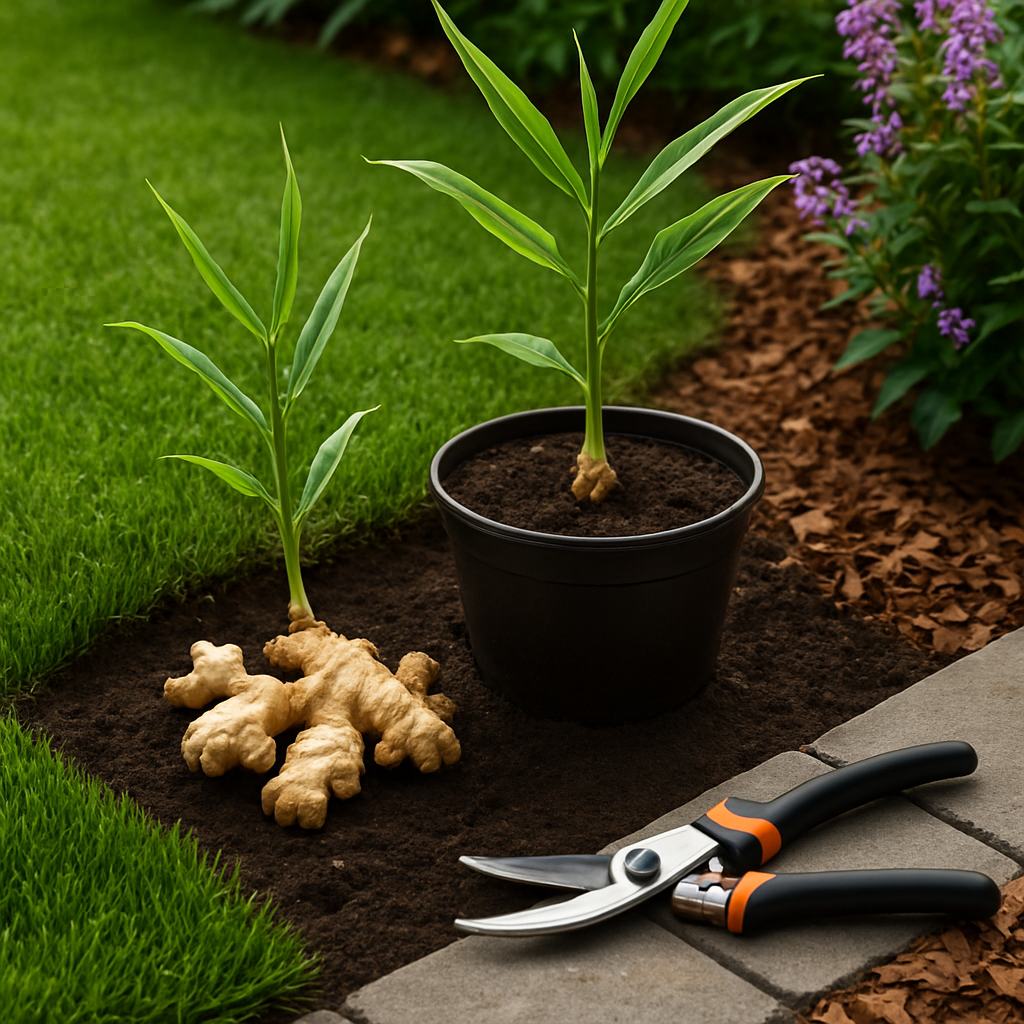
Ginger typically takes 8 to 10 months from planting to harvest, whether grown indoors or started from cuttings. This timeframe depends on growing conditions, such as temperature, soil quality, and container choice. For those starting ginger from cuttings or indoors, healthy rhizome development and proper care are key factors influencing the overall growth period and yield potential.
Getting Started: Choosing the Best Ginger Plants and Preparing Cuttings
To grow ginger successfully indoors or from cuttings, select plump, healthy rhizomes with visible "eyes" or buds. Cut the rhizomes into 1–1.5 inch segments, ensuring each piece has at least two eyes. Allow the cut surfaces to dry and callus for a few days, which minimizes the risk of rot during sprouting. Virginia Cooperative Extension recommends starting ginger indoors or in containers to maximize your control over temperature and soil conditions.
Choose either loose, loamy soil or a high-quality, well-draining potting mix. If planting in a container, select one at least 12 inches in diameter for each rhizome piece, as ginger roots need room to spread. Place the cuttings with the eyes facing up, planting them 4–6 inches deep and 6–8 inches apart to allow optimal root expansion and airflow. Consistent warmth (soil temperatures above 55°F) is essential, especially when starting your crop inside before moving it outdoors.
Indoor growers often find ginger easier to manage, as you can protect young plants from unexpected spring cold. Pre-sprouting indoors in late winter or early spring is ideal; this can give your plants a head start and extend the growing season if you live in a cooler region. Transition seedlings outdoors only after the threat of frost has completely passed, ensuring consistently warm nights for new growth.
Optimal Growing Conditions for Indoor and Water-Based Ginger
Ginger thrives when specific growing requirements are met, especially temperature, humidity, and soil moisture. Indoors, maintain ambient air temperatures between 70–85°F, using supplemental heat if necessary. The soil or growing media should be kept lightly moist but never soggy, as ginger resents drowning and low oxygen levels at the roots.
Growing ginger in water is possible with hydroponic methods, but it is less common for home gardeners. More typically, ginger does best in a well-draining potting blend enriched with organic matter, mimicking the rich, loamy soils found in its native habitats. Humidity levels should be fairly high (above 50%), which may require occasional misting in dry indoor environments.
For indoor or container culture, locate ginger in bright, indirect sunlight; strong early-morning or filtered light is preferred. Too much direct sun can scorch young leaves, while too little light slows growth and root expansion. When planted outdoors, partial shade with good air circulation is ideal, especially during the hottest part of the day.
Fertilization, Watering, and Container Needs for Strong Growth
Proper nutrition is vital for robust rhizome and foliage development. Mix a slow-release organic fertilizer or compost into the planting media at the start, ensuring nutrients are available throughout the season. During periods of heavy growth or abundant rainfall, supplement with a balanced liquid fertilizer every few weeks, particularly for potted or container-grown ginger that can leach nutrients quickly (source).
Consistent and even watering is critical—keep soil evenly moist but never waterlogged, since standing water promotes root rot. Water deeply, letting the soil dry just slightly between applications. Ginger grown indoors typically requires less frequent watering than outdoor plants, but check containers often, especially in warm conditions or when using a loose soil mix.
As your ginger grows, you may notice bud swelling and new shoots (or tillers). These are indications that the plant is actively producing new rhizomes below the surface. If you use a container, make sure it's deep enough to foster horizontal and vertical rhizome expansion; this results in larger, higher-quality harvests.
During the growth cycle, inspect ginger for soft spots, mold, or signs of water stress. In well-drained soil and with controlled watering, ginger faces fewer disease issues. Root rot is the primary risk, most often due to excessive watering or blocked drainage, particularly in pots or bags. Otherwise, ginger has few insect or disease concerns, as confirmed by the Virginia Cooperative Extension.
Stages of Growth: From Sprouting to Mature Harvest
The first visible stage is sprouting—a ginger shoot emerges anywhere from two to six weeks after planting, depending on temperature and treatment of the seed piece. Leafy stems unfurl, and underground rhizomes slowly expand, sending out new roots and buds. Indoor-grown ginger, or that started from cuttings, typically reaches this stage more quickly, especially if pre-warmed or humidified.
Over the next several months, ginger plants focus on producing both above- and below-ground biomass. As the weather warms and summer peaks, rhizome growth accelerates; energy concentrates in thickening the underground stems. Flowering may occur in mature plants, but is not necessary for rhizome production or harvest.
By months seven and eight, most ginger roots are substantial enough for early harvest—these "young" roots have thin skin and a delicate, mild flavor. If your goal is to produce fully matured ginger with a thick outer peel and more intense taste, wait the entire 8–10 months before harvesting. The maturity of indoor or container-grown ginger may vary slightly based on available light and consistent warmth (chefmichaelsalmon.com).
Monitor plant yellowing and leaf dieback as indicators that harvest time approaches. You can harvest selectively by digging around the edge of the plant and removing outer rhizomes while leaving the rest to continue growing. This approach allows for a continuous supply, especially if you stagger your planting times indoors.
Harvesting, Storage, and Success Inside or Out
Once your ginger reaches the 8–10-month mark, carefully dig up the rhizomes to avoid damaging them. Gently brush off excess soil and trim stems; young ginger can be used immediately or refrigerated. Mature ginger, harvested at the end of the growing period, has a toughened skin and stronger flavor, ideal for longer storage. If you harvested from indoor pots or bags, let the cut roots dry for a few hours before handling.
Freshly harvested ginger does not store as long as commercially dried roots. Use promptly or freeze for future recipes. For next season's planting, set aside healthy rhizome pieces with intact eyes—the cycle can begin again, indoors or out, with proven best results from cured and properly prepared cuttings.
Growing ginger indoors or from cuttings gives gardeners a precise way to manage warmth, moisture, and disease risk, making the typical 8 to 10 months to harvest achievable in most climates. Whether in containers, bags, or garden beds, success depends on sound, consistent care and respecting the plant's natural growth stages.
With careful planning and the right environment, you can enjoy fresh, flavorful ginger grown indoors, outdoors, or from selected cuttings almost year-round.
Comments
Post a Comment