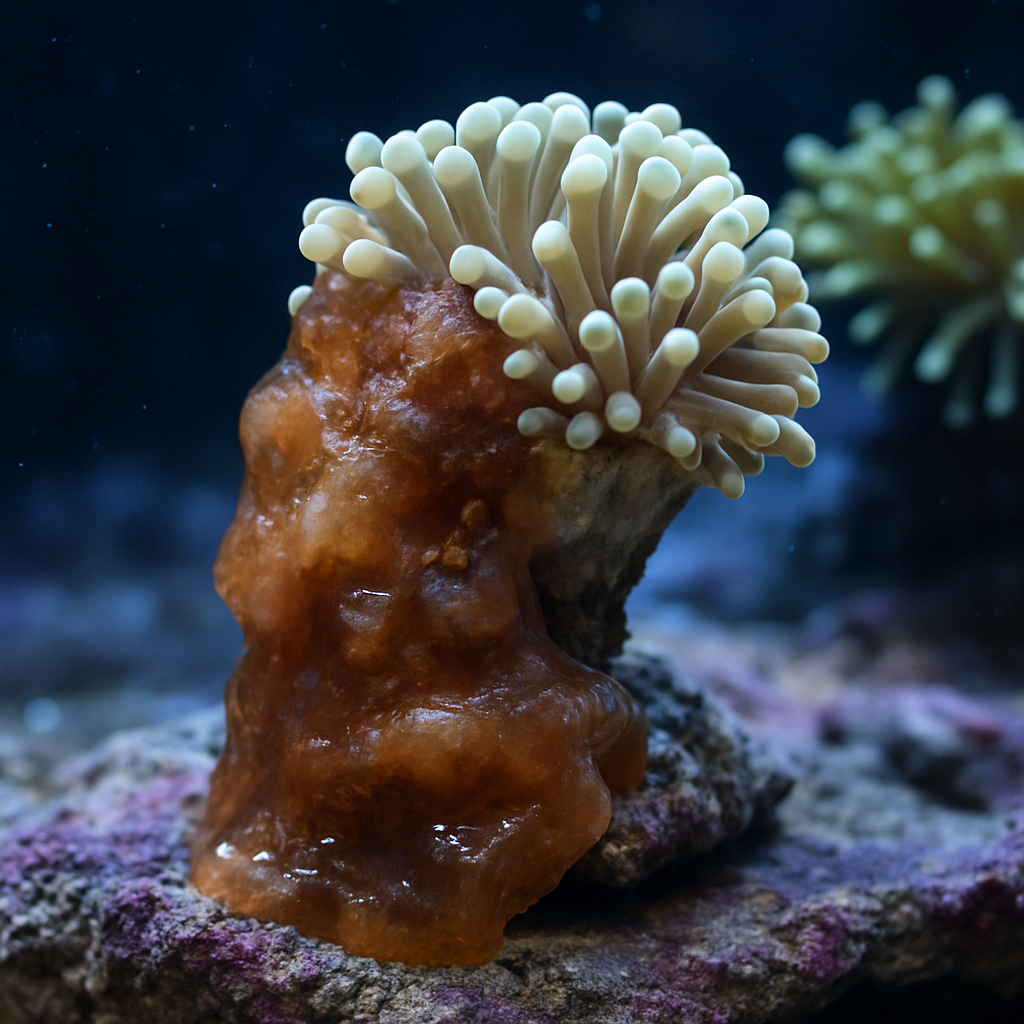
Torch Coral Brown Jelly Disease is a devastating bacterial and protozoan infection that targets LPS corals, especially torch corals, resulting in rapid tissue loss and often total colony death. This disease is characterized by the appearance of a slimy, brown, jelly-like mass covering the coral's flesh, which can quickly move from one part or polyp to another if left untreated. In this comprehensive guide, we examine the root causes, life cycle, visible symptoms, and proven cures for this aggressive aquarium threat, using research-backed advice and proven field techniques to help aquarists manage outbreaks and restore their coral health.
Understanding the Disease: From Symptoms to the Infection Cycle
The hallmark of brown jelly disease is the sudden appearance of a brown, mucous jelly that covers torch corals, hammers, and frogspawn colonies. Early symptoms include tissue recession, where the coral's flesh appears to peel away from the skeleton, often accompanied by a foul odor and discolored, slimy masses. These fungal-looking patches are not true rust rot or lawn blights, but share the destructive rapidity seen in grass pathogens.
Torch corals typically develop these lesions as a result of stress. The infection cycle commences after corals suffer damage or are exposed to environmental swings. Once a susceptible coral is infected, the disease can spread to nearby colonies, echoing the swift progression of lawn turf diseases such as dollar spot or fairy ring in a garden.
Beyond torch and hammer corals, brown jelly may sometimes attack other LPS species, while soft corals and SPS are less commonly affected. Understanding this cycle—damage, infection, spread—highlights the urgency of early identification and removal of diseased matter from the aquarium.
For a more detailed discussion of how this cycle impacts specific coral species, visit the authoritative article at Manta Systems.
Root Causes of Brown Jelly Infections: Environmental and Stress Factors
The precise causal organism for brown jelly disease remains elusive, though research points to a cocktail of protozoans and bacteria exploiting weakened coral tissues. Aquarists most often encounter the problem after the following triggers:
- Injury from coral warfare: Close contact and stinging from aggressive neighbors, such as seen with frogspawn or torches battling for territory, frequently opens wounds for infection. This phenomenon shares similarities with physical damage acting as a gateway for turf fungi in dry lawns.
- Sudden water quality changes: Unstable temperatures, pH, or nutrient spikes (like nitrate or phosphate surges) can disrupt the coral’s ability to heal minor abrasions, much like inconsistent watering can lead to leaf streaks or tomato rot in the garden.
- Overcrowded tanks: As referenced in the experiences of reef keepers, an overly packed aquarium leads to stress and increased susceptibility (video example).
Keeping a chart of tank parameter changes alongside coral health can reveal important seasonal or cycle-related patterns, echoing best practices in lawn disease management.
Recognizing Symptoms: Visual Cues from Leaves to Coppery Jelly Masses
Symptoms of brown jelly disease may include:
- Brown, jelly-like coating: This copper-brown mass rapidly coats the flesh of affected torch coral polyps, resembling the jelly found on infected tomato stalks or potato rot patches.
- Yellowing or paling of tissue: Corals may exhibit large yellow or pink patches before the onset of total decay, akin to early stages of rust in plants or streaks in horse chestnut leaves.
- Loss of tissue and skeleton exposure: As the disease progresses, sections of skeleton are exposed, similar to bare lawn areas resulting from pythium or rhizoctonia outbreaks.
Keeping vigilant watch for these signs—particularly the waxy jelly and color changes—will allow hobbyists to act fast and interrupt the spread of the causal organisms.
For a cycle-by-cycle chart tracking coral symptoms and disease progression, reference detailed case studies and community accounts at Reef2Reef.
Effective Treatment and Cure Plans for Infected Coral Colonies
Once brown jelly disease is detected, rapid intervention is necessary. Proven treatments follow a multi-step protocol that includes:
- Physical removal: Diseased tissue should be siphoned away using a turkey baster or pipette to reduce infection load, just as gardeners remove blighted patches or streaked lawn pieces to prevent spread.
- Antibacterial and iodine dips: Soaking infected torch or frogspawn corals in a solution of iodine-based disinfectants, combined with antibiotics such as ciprofloxacin or amoxicillin, has shown high rates of success. The use of copper medications is not recommended for corals, despite its utility in other aquarium diseases.
- Quarantine and repeated treatments: Move affected coral heads into a separate tank or container, performing multiple dips over several days as per protocols described by experienced reefers (step-by-step instructions).
Frequent observation and quick action are essential to ensure that disease does not return in subsequent cycles. The most effective cure relies on breaking the causal chain—removing both the pathogen and the environmental triggers.
Preventing Disease Recurrence: Lessons from Lawn and Crop Management
Long-term protection measures focus on simulating the resilience-building strategies used in lawn care and crop management. Some proven tactics include:
- Stabilize water parameters: Keep temperature, pH, and salinity within species-appropriate ranges to minimize coral stress, much as even moisture and nutrition keep turf diseases at bay.
- Acclimate new corals carefully: Always dip and observe new coral acquisitions, similar to how seed potatoes or tomato starts are examined for streaks or rot before planting. Avoid introducing hidden pathogens into the main display tank.
- Reduce overcrowding: Provide enough space for each colony to expand without competing physically, preventing stinging damage and infection akin to thinning out rows of wheat to prevent pythium or fusarium outbreaks.
- Monitor seasonal cycles: Disease prevalence may spike during rapid growth or during swings in the aquarium's light or nutrient inputs. Maintain regular logs, much like gardeners do with crop rotation or rust-resistant strains, to anticipate recurring issues.
Employing these prevention methods minimizes the risk of recurring dollar spot-like epidemics within a reef aquarium.
Summary: Healthy Torch Corals Require Cycle-Aware, Lawn-Inspired Strategies
Torch Coral Brown Jelly Disease closely mirrors destructive turf or tomato blights in speed and intensity, with environmental stress often setting the stage for infection. By recognizing the early jelly symptoms, understanding the causal factors, and enacting treatment plans adapted from robust crop and lawn management, aquarists can rescue infected corals and prevent repeat outbreaks. For those interested in a deep dive into field-tested protocols and more chart-driven guides, review the disease breakdowns and expert input at Manta Systems.
Taking inspiration from comprehensive cycle and cure methods in lawn and agricultural disease control provides reef keepers practical, actionable tools to protect both torch and frogspawn corals from brown jelly disease in the modern aquarium.
Comments
Post a Comment