Understanding Organic Polymer in Ark Survival and Its Gardening Connection
Organic polymer in Ark Survival is an essential resource with real-world gardening analogues, particularly when considering soil improvement methods such as managing soil pH for tomatoes and employing natural enrichment techniques. In both virtual and actual cultivation, the use of organic materials is a core component of successful farming. This article explains how the concept of organic polymer translates to real-world soil health, why maintaining optimal soil pH for tomatoes matters, and highlights the synergy of organic enrichments for robust plant growth.
What Is Organic Polymer and How Does It Relate to Soil Enrichment?
In Ark Survival, organic polymer is a resource derived from natural sources, akin to compost or organic matter used in gardening. Its main function is to construct or repair items, but gardeners can relate this to how compost and decomposed matter 'build' fertile, healthy soil.
In practical terms, organic amendments such as compost, manure, or straw mimic the game's organic polymer by providing slowly-released nutrients and improving soil structure. The benefits include better water retention, improved aeration, and nutrient-rich growing environments. Consistent with these ideas, [Oregon State University](https://extension.oregonstate.edu/news/add-organic-matter-improve-most-garden-soils) recommends spreading 1–3 inches of compost over planting beds and gently incorporating it to refresh soil quality.
These organic materials should be free of herbicide residues and well-rotted for safe use, much as Ark players seek pure resources for best results. Integrating such materials regularly ensures long-term fertility and a hospitable environment for plant roots.
Soil pH for Tomatoes: Why Balance Is Vital
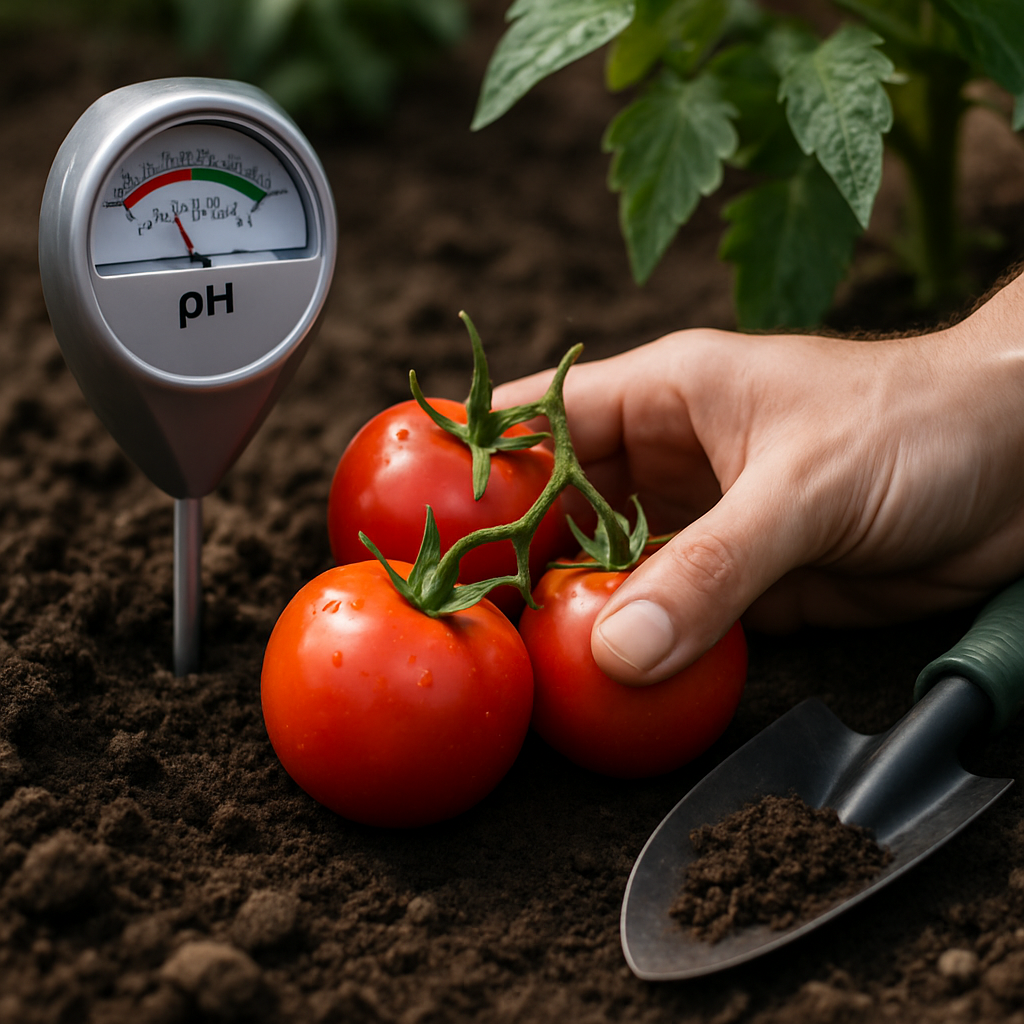
Just as material quality matters in Ark Survival, soil pH can determine the success of a tomato crop. Tomatoes thrive best with a soil pH between 6.2 and 6.8, where nutrient availability is optimized, and microbial activity supports plant growth.
Gardening experts advise testing your soil before planting and adjusting pH if levels are outside the recommended range. Too acidic or too alkaline soil can lock up essential nutrients, reducing plant vigor and yield. You can use natural amendments, such as lime for acidic soils or elemental sulfur for alkaline soils, to gradually reach the desired pH.
Maintaining optimal soil pH also wards off common tomato diseases and supports access to minerals like calcium and magnesium. Consistent monitoring and slight adjustments ensure long-term success.
For gardeners, this mirrors the strategy of keeping resources in balance for continuous harvests, much like in-game management in Ark Survival.
For more detailed soil-building steps, see the methods described by [Permaculture Apprentice](https://permacultureapprentice.com/building-soil).
Natural Soil Enrichment Methods That Work
Implementing natural enrichment methods boosts your soil’s vitality, echoing how organic polymer revitalizes in-game resources. The foundational strategies include:
- Composting: Decomposed kitchen scraps, yard waste, and manure introduce a steady fertilizer source and invigorate microbe activity.
- Green Manure: Crops like legumes are grown and then tilled under, naturally fixing nitrogen and adding organic content.
- Cover Cropping: Cultivating non-harvested plants during the offseason prevents erosion and builds soil fertility for the next cycle.
- Crop Rotation: Regularly changing plant families grown in each plot helps minimize soil-borne pests and sustains a broad nutrient profile.
- Biofertilizers: Beneficial microorganisms help unlock nutrients for plant roots, extending the analogy of crafting potent organic polymer-based items in Ark Survival into the biological crafting of fertile, productive soil.
These practices strengthen soil just as refining resources in Ark Survival strengthens your gameplay.
Farmers in Botswana have already adopted these strategies, often pairing them with high-quality organic liquid fertilizers, as highlighted by [Growfast BW](https://www.growfastbw.com/post/revitalize-soil-with-natural-soil-enrichment-methods).
Integrating Organic and Digital Wisdom for Lasting Growth
Drawing inspiration from both gaming and gardening, successful growers know that managing resources, whether organic polymer or compost, is fundamental to enduring productivity. Soil pH testing should become a routine habit, especially if tomatoes or other sensitive crops are a priority. Pairing this with organic enrichments keeps soils balanced, reduces dependency on synthetic chemicals, and builds future resilience.
Try rotating crops, adding compost or green manure, and using localized soil amendments based on your test results. These actions mirror in-game strategies, applying thoughtful resource use for sustainable results.
Ultimately, leveraging natural enrichment methods ensures that your harvest—be it in Ark Survival or the garden—is abundant and reliable year after year.
By applying what works both in the digital and soil worlds, you build healthier ground and enjoy more fruitful outcomes season after season.
Comments
Post a Comment