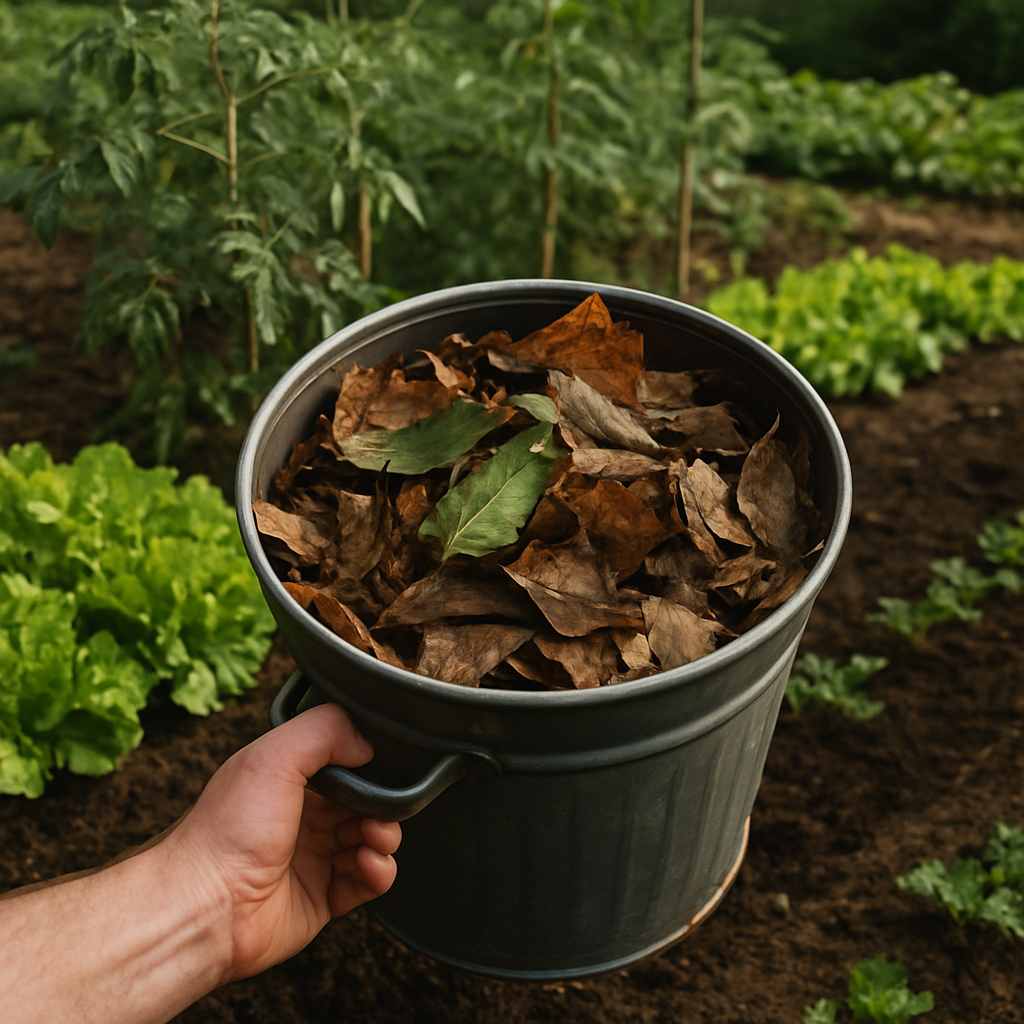
Understanding Leaf Compost for Gardens and Yards
Leaf compost is an organic material made by decomposing fallen leaves, resulting in a dark, crumbly, nutrient-rich amendment that significantly improves garden soil. Whether you are looking for bulk quantities or want to make your own at home, leaf compost offers an environmentally friendly solution that supports vegetable gardens, lawns, and landscaping projects. This guide covers what leaf compost is, its benefits, where to buy quality options such as from Lowe's or other nearby stores, and exactly how to use it for sustainable, thriving growth.
How Leaf Compost Benefits Your Vegetable Gardens
Leaf compost, sometimes called leaf mold, is prized among gardeners for its ability to enhance soil structure and boost plant vitality. As leaves break down, they release minerals and trace elements vital for plant health, acting as a slow-release organic fertilizer.
Adding leaf compost to vegetable gardens improves water retention and provides essential nutrients with a neutral pH. This reduced dependence on synthetic fertilizers supports a more sustainable gardening routine. Its fibrous nature also helps sandy soils retain moisture while breaking up heavy clay soils for better root development.
As an organic mulch, leaf compost acts as a natural weed suppressant when spread over garden beds. It helps stabilize soil temperature, minimizes erosion, and maintains even moisture levels for both annual and perennial crops.
For more specific comparisons with other compost types and how they affect vegetable gardens, see this expert guide at GardeningElsa.
Where to Find and Buy Leaf Compost Near You
If you are searching for "leaf compost for sale near me," there are multiple reliable sources. Many garden centers, nurseries, or home improvement chains such as Lowe's, Walmart, and Ace Hardware offer bagged or bulk leaf compost, sometimes labeled as "organic compost." These stores often provide delivery or pickup options, ensuring you can get compost for large yards or smaller home projects.
Some municipalities offer free or inexpensive compost made from local yard waste, which could include leaf compost collected from curbside pickups in your area. Ask your city or county's solid waste department about compost giveaways, or check local online marketplaces for affordable options. For large bulk orders and professional-grade mixes, specialized vendors like Greenrise Technologies offer aged leaf compost suitable for landscaping, turf management, and commercial planting projects.
Online stores like Amazon and Walmart also offer bagged leaf compost, often with convenient delivery. When choosing a supplier, look for organic or OMRI-certified labels to ensure you are getting a safe, chemical-free product for vegetable gardens or flower beds.
Storage and packaging vary, from biodegradable bags to reusable bulk totes, depending on your needs and project scale. Always verify the compost quality beforehand, asking for detailed product descriptions or reviews.
How to Make High-Quality Leaf Compost at Home
Making your own leaf compost is simple, cost-effective, and reduces yard waste. Begin by gathering fallen leaves from your yard. Shredded leaves decompose more quickly and evenly, so run them through a mulching mower or leaf shredder if available.
Build a compost pile or heap at least 3 feet wide by 3 feet tall to retain heat. Layer leaves with green material like grass clippings or kitchen scraps to maintain a balanced carbon-to-nitrogen ratio. Keep the pile moist but not soggy, and turn it every few weeks to introduce oxygen and encourage decomposition.
To speed up the process, avoid compacting the leaves and incorporate some finished compost or garden soil for microbial inoculation. Expect fully matured leaf compost in 6 to 12 months. You’ll know it’s ready when it is dark, crumbly, and earthy-smelling.
You can also add leaves to a larger compost system containing manure, vegetable peelings, and other organic wastes. For more information about harvesting and using finished product, see this in-depth guide at GardenerBible.
Top Uses and Application Methods for Gardens and Lawns
Leaf compost has multiple uses in and around the garden:
- Soil Amendment: Incorporate into garden beds or vegetable plots before planting for long-term soil enrichment.
- Mulch: Spread a 1-2 inch layer around perennials, shrubs, or trees to conserve moisture and suppress weeds.
- Seed Starting Mix: Blend leaf compost with coir or peat to create lighter, more aerated germination setups.
- Lawn Topdressing: Apply thinly over turf to boost microbial activity, improve drainage, and mend bare patches organically.
- Container Mix: Mix with potting soil for potted vegetables and flowers to improve water retention and slow-release nutrients.
For best results, use finished, sifted compost free of sticks or matting. Avoid using leaves from black walnut, eucalyptus, or other allelopathic trees that can harm garden plants.
Common Questions and Tips When Using Leaf Compost
How fast do leaves compost? Shredded leaves with regular turning decompose in 6 to 12 months; whole leaves may take longer. Mixing with manure or kitchen scraps hastens the process. Composting during warm, wet months is fastest.
Can you mix other materials? Yes, combining leaves with grass clippings or fruit/vegetable scraps helps balance nitrogen, yielding richer compost. Ensure no large branches or invasive weeds are added.
Is it safe for edible gardens? Properly decomposed leaf compost is safe and beneficial for vegetable gardens. Choose leaves from pesticide-free trees and avoid compost made from contaminated yard waste.
For additional practical guidance on making, testing, and applying leaf compost, plus answers to more FAQs, refer to the step-by-step advice at GardenerBible and browse vendors at Greenrise Technologies. Leaf compost offers an accessible, sustainable solution for all your soil and lawn health needs.
Comments
Post a Comment