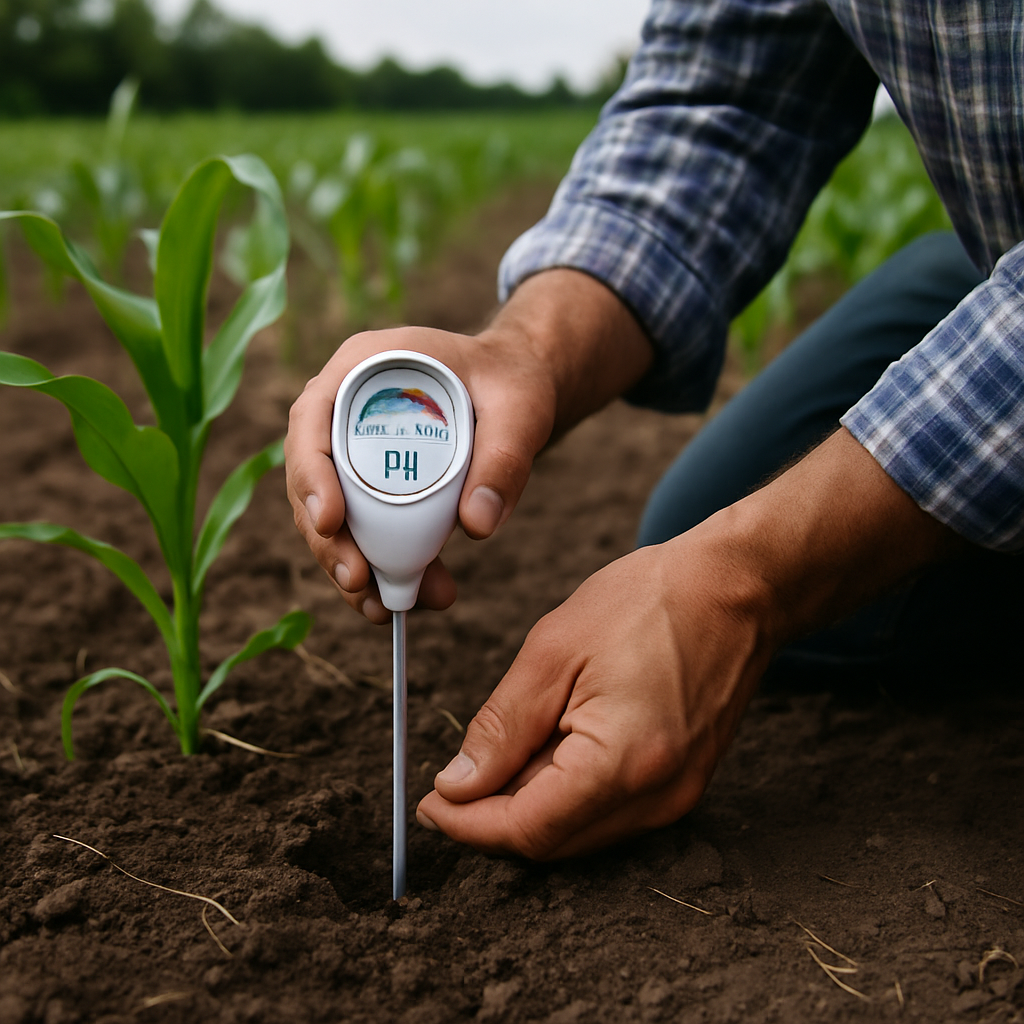
If you want to optimize soil health for crops or gardens, a soil pH tester is the essential tool for accurately determining your soil's acidity or alkalinity—this directly impacts plant nutrient availability, crop success, and long-term soil management. Testing your soil pH helps inform decisions on amendments and fertilizer types, enabling you to maintain optimal growing conditions and correct soil imbalances based on real data. Understanding how soil pH is determined, what factors affect soil pH, and the significance of this value in agriculture are central to making informed choices for healthy plant growth.
The Meaning and Measurement of Soil Acidity and Alkalinity
Soil pH is a quantitative indicator of how acidic or alkaline your soil environment is, directly affecting nutrient availability for plants. The pH scale ranges from 0 (extremely acidic) to 14 (extremely alkaline), with 7 defined as neutral. Soils with a pH below 7 are classified as acidic, and those above 7 are considered alkaline. Most agricultural soils fall within the pH range of 4 to 8.
The most common method for measuring soil pH is using a soil pH tester, such as a pH meter or a colorimetric test. The scientific definition of pH, the negative logarithm (base 10) of the hydronium ion activity, is foundational for lab measurements, but in practice, farmers and gardeners use handheld digital meters or color-changing indicator kits for simpler field testing. Testing is typically done by mixing soil with distilled water or a mild salt solution such as 0.01 M CaCl2 (learn more).
It is important to test soil pH at various field locations, since pH can vary due to soil management history, organic matter levels, and local conditions. Accurate measurement enables targeted adjustments, helping avoid broad amendments that can lead to nutrient imbalances.
Why Soil pH Matters: The Core Importance for Crop Production
Soil pH acts as a master variable in agricultural and horticultural management. It determines the chemical forms of nutrients in the soil and governs their solubility, directly affecting plant uptake. Inadequate soil pH can render key nutrients—such as nitrogen, phosphorus, and potassium—less available or even toxic.
Different crops require specific pH values for optimal growth. Most vegetables and field crops thrive in soils with pH values between 5.5 and 7.5, but some plants, like blueberries or azaleas, are adapted to more acidic soils. Understanding this importance allows farmers to tailor fertilizer applications and liming practices according to actual field needs (source).
Outside the optimal range, nutrient lockout, poor microbial activity, or aluminum toxicity can occur, stunting growth and impacting yields. Thus, soil pH testing is fundamental for guiding amendments and minimizing problematic nutrient interactions.
Maintaining the right pH is not just about nutrient uptake; it also influences soil biology, structure, and resilience to environmental stresses. Long-term, regularly tested pH supports healthy microbial ecosystems and stable crop production.
Commercial soil pH testers are now affordable, fast, and user-friendly, removing much of the guesswork from soil management decisions and enabling both commercial growers and home gardeners to improve their results.
Methods of Determination: Water Versus Calcium Chloride Solutions
Soil pH can be measured using different extraction solutions, the two principal ones being distilled water and calcium chloride (CaCl2). Measuring pH in water is the easiest and most common method for home and field use, but pH measured in CaCl2 is more reliable for laboratory analysis and scientific reporting.
Testing with a 0.01 M CaCl2 solution typically results in lower pH readings than water because the salt neutralizes some variability from soil salts and organic acids. This method provides a clearer picture of soil's inherent acidity or alkalinity, making it the standard for research-grade soil testing.
For most practical farming and gardening contexts, however, using distilled water and an accurate digital soil pH tester is sufficiently reliable, especially when the test is repeated seasonally to monitor changes. Both approaches help inform corrective measures, such as liming for acidic soils or sulfur application for alkaline ones.
Factors Affecting Soil pH and Their Agricultural Impacts
Multiple factors can influence the pH of farmland and garden soils. Rainfall and irrigation patterns can leach basic cations (like calcium and magnesium), gradually increasing acidity over time. Parent material—the underlying rock or sediment—can predispose soil towards acidity or alkalinity depending on its composition.
Organic matter decomposition also produces acids as byproducts, sometimes acidifying soil over decades. Fertilizer applications, particularly those containing ammonium forms of nitrogen, can acidify the soil if not balanced with lime. Intensive crop removal may deplete minerals and shift pH over time.
Waterlogged soils, improper drainage, and poor crop rotation can exacerbate pH imbalances, affecting nutrient cycling and plant health. Importantly, certain management interventions—such as adding lime to acidic soils or sulfur to alkaline soils—are only effective when guided by accurate soil pH tester results.
Understanding the main factors behind your field or garden pH provides the basis for sustainable and cost-effective management practices, preventing nutrient wastage or yield losses due to unmanaged acidity or alkalinity.
Monitoring and correcting pH helps keep your fertilizer investment working efficiently, fosters vibrant plant growth, and builds long-term soil fertility.
Best Practices: Using Soil pH Testers for Reliable Results
For optimal accuracy, sample soil from several spots within the area you wish to test, mix thoroughly, and remove stones, roots, or large debris. Use a clean container and ensure your soil pH tester—or meter probe—is calibrated according to manufacturer instructions before every measurement.
If you are using a kit with indicators or test strips, strictly follow color chart comparisons for consistency, though these methods are less precise than digital meters. Always choose between distilled water or CaCl2 based on your information needs and the target plant species.
Re-test soil pH annually or after major soil amendments. Keep records to detect trends or anomalies over time. When pH results indicate a need for corrective action, apply lime or sulfur at rates recommended for your specific crops and soil texture.
Consult agricultural extension resources or professional soil labs when unusual pH values persist, as comprehensive nutrient and texture analysis may be required to pinpoint underlying challenges (extension resource).
By routinely applying these best practices, anyone—from large-scale farmers to home gardeners—can leverage the full value of a soil pH tester to sustain robust crops and productive soils for years to come.
Comments
Post a Comment