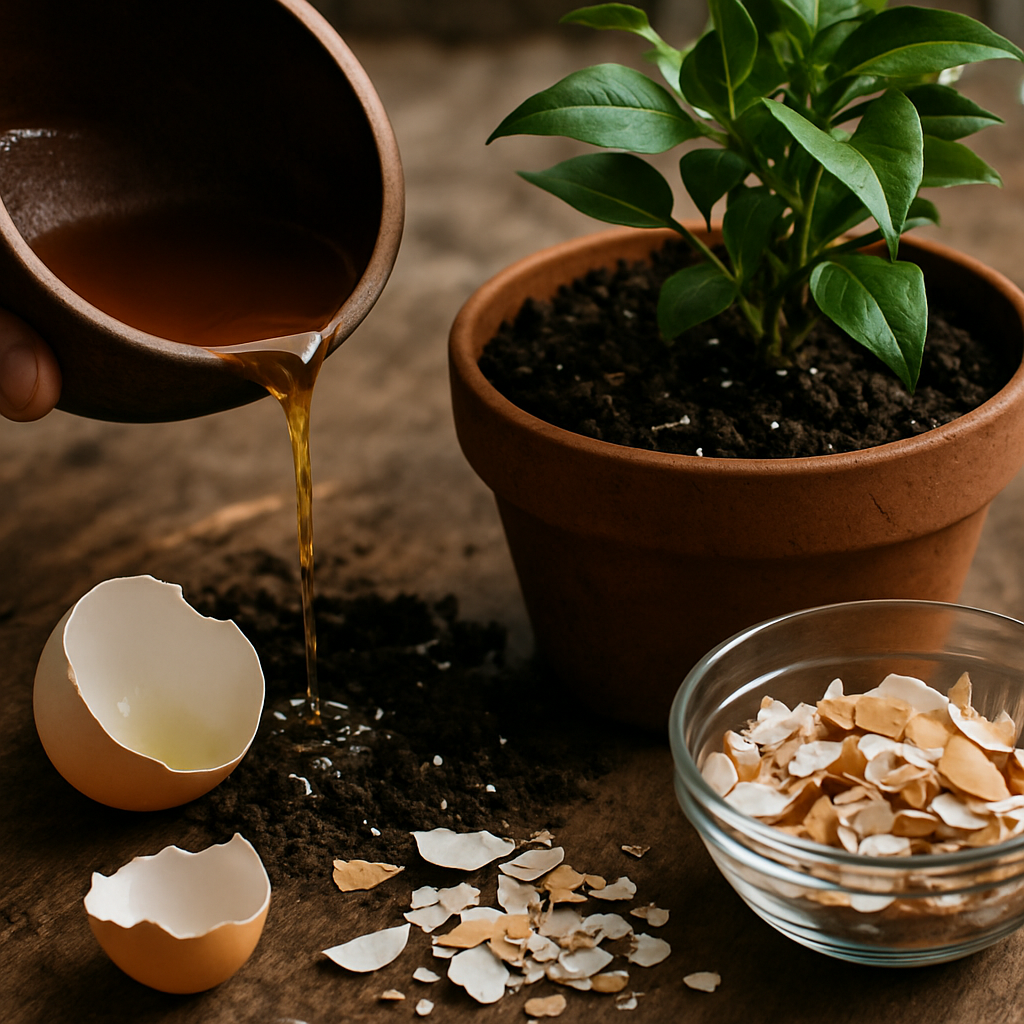
Understanding Eggshell Tea and Its Benefits for Organic Houseplant Soil
Eggshell tea for plants is a simple and affordable organic fertilizer that provides a natural boost of calcium and nutrients to houseplants and garden soil. By soaking or boiling eggshells to create a mineral-rich liquid, gardeners can enrich their houseplant soil fertilizer system without relying on commercial chemicals. Using eggshell tea promotes healthy growth and helps prevent common issues like calcium deficiency, making it a popular choice for organic gardening enthusiasts seeking to maintain lush, thriving indoor plants.
Eggshells are mainly composed of calcium carbonate, a key component that strengthens plant cell walls and aids in root development. This remineralizing effect is especially beneficial for soil that may have become depleted after repeated watering or fertilization. By incorporating eggshell tea into your care routine, you create a more balanced nutrient system within the houseplant soil, supporting the organic approach many modern gardeners prefer.
Banana skins can be added to the eggshell soak, contributing additional nutrients like potassium and magnesium, important for foliage vibrancy and resilience against stress. Combining these kitchen scraps creates an easily absorbed mixture, offering your houseplants a holistic, continuous feed throughout their growth cycles.
How to Prepare Eggshell Tea for Houseplants and Garden Applications
The preparation of eggshell tea can be done through either the cold soak or boiling method, depending on your preference and available time. For the simplest version, collect clean, dried eggshells and banana skins if desired, and place them in a large jar or bowl. Cover with water and allow the mixture to steep for several days, occasionally stirring to help extract the minerals. Some gardeners opt for boiling the eggshells for a few minutes, especially when a quicker infusion is needed (source).
After soaking or boiling, strain out the solids to leave behind your eggshell tea. This liquid can then be stored in a sealed container for use over several weeks. Be sure to discard any tea that develops an off odor or visible mold, as this indicates spoilage. The tea can be used as both a direct watering agent and as a mild foliar spray, although for the latter, further dilution may be advised to prevent potential leaf burn.
Some home gardeners choose to mix eggshell tea into compost tea for added microbial benefits, harnessing both mineral content and active compost microbes. Blending with other organic matter, such as vermicompost or humus, enhances the range of micronutrients in the resulting fertilizer mixture.
Best Practices for Application: Ratios, Timing, and System Use
To avoid over-concentration and reduce the risk of attracting pests, it is generally recommended to dilute the eggshell tea with an equal amount of water (a 50/50 ratio) before applying it to houseplant soil or garden beds. This keeps nutrient levels manageable and decreases unwanted odors around your indoor plants (source).
Water your plants with diluted eggshell tea once every week or two during the active growing season, such as spring and summer. This frequent, low-dose feeding provides consistent nourishment without overwhelming the root system. In the dormant months, reduce application frequency to prevent nutrient buildup in the soil, as most houseplants require less feeding during their slower growth periods.
For container-grown vegetables or hydroponic systems, eggshell tea can function as a supplemental source of calcium within the overall fertilizer regime, especially for crops prone to calcium-related deficiencies such as tomatoes or peppers. Consistent use ensures the availability of water-soluble calcium and aids in avoiding physiological disorders like blossom end rot.
Organic Mixture Additives and Improving Microbial Activity
Enhancing the value of eggshell tea can be achieved by combining it with other organic ingredients, each offering its own set of benefits. Mixing with banana peels provides potassium, while adding small amounts of oatmeal or vermicompost can increase beneficial microbial activity in the soil system. Some gardeners include cinnamon or a dash of spirulina powder for additional mineral content, but always avoid any additives that may introduce harmful fungi or bacteria.
Microbial teas prepared with compost or vermicompost benefit from the inclusion of eggshells as a gentle, slow-release calcium source. Using eggshell tea in tandem with these fertilizers ensures both macro- and micro-nutrients become available to plant roots over time. Ensuring the tea remains in a pH range compatible with most houseplants (typically around 6.5-7.0) can be beneficial, helping maintain soil balance for optimal nutrient uptake.
If preparing larger volumes, consider the total ppm (parts per million) of dissolved solids to prevent potential nutrient overload. Regularly stirring or agitating your stored tea batch helps maintain its oxygenation and can suppress the overgrowth of undesirable microbes.
While commercial products like Biobizz or Envirocycle mixes are formulated for consistency, homemade eggshell tea has the advantage of using kitchen waste, supporting both sustainability and customized nutrient ratios as suited to your unique plant collection.
Common Questions and Forum Reviews: Effectiveness and Potential Drawbacks
Many gardeners turn to gardening forums and organic plant care communities to share reviews of eggshell tea and discuss their own ingredient mixtures. Common questions include whether eggshell tea is suitable for all houseplants and if it should replace commercial fertilizers entirely. Most reports suggest that while eggshell tea offers measurable benefits when prepared and applied properly, it may not supply every essential nutrient needed for all growth stages.
Some houseplant enthusiasts recommend occasional supplementation with a balanced houseplant fertilizer to cover potential nutrient gaps (source). However, many users note that plants often thrive with just eggshell and banana-skin-based teas, especially if combined with regular compost feeds. Negative experiences typically stem from undiluted applications causing sour smells, pest attraction, or over-fertilization symptoms.
Ensuring the tea is well-strained and appropriately diluted remains the most cited tip to avoid these pitfalls. Gardeners in hydroponic forums sometimes debate the suitability of eggshell tea due to filtration concerns, but with careful preparation, the tea can benefit both soil and some non-soil systems.
Overall, eggshell tea is praised as one of the best organic options for creating sustainable, cost-effective, nutrient-rich mixtures at home, aligning well with eco-friendly gardening philosophies.
Exploring eggshell tea for plants provides a dependable way to boost your organic houseplant fertilizer system using readily available kitchen scraps while maintaining strong, vibrant plant growth year-round.
Comments
Post a Comment