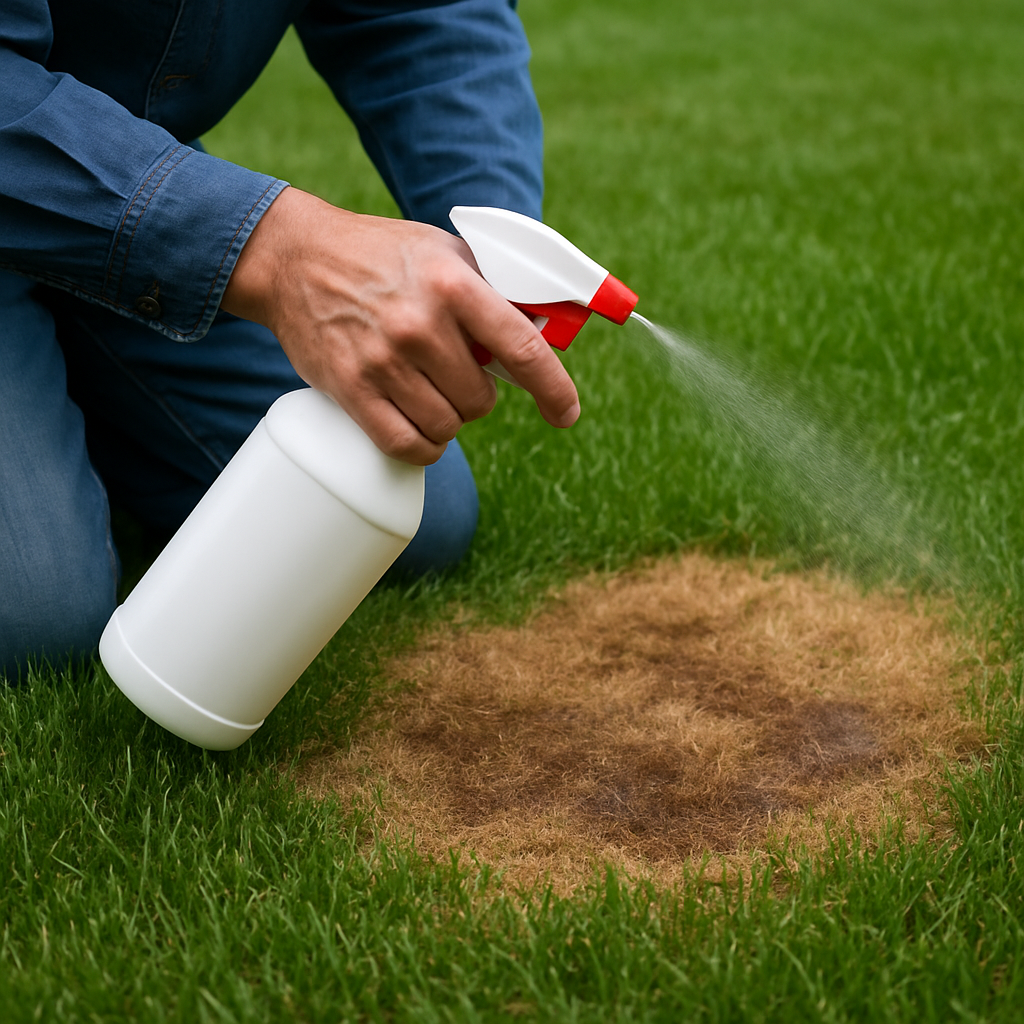
For homeowners battling brown patches in Zoysia lawns, understanding when and how to use fungicide is essential for effective fungus treatment and preventing large diseased areas. Zoysia Patch Fungicide solutions are designed specifically to manage the active fungi that cause characteristic discoloration, commonly seen as circular brown or yellowish patches with a telltale 'smoke ring' border. The best approach combines proper identification of symptoms, correct application timing, and choosing the right fungicide active ingredient to protect your grass, whether you are in Texas, Florida, California, or any region with Zoysia lawns.
Common Causes and Detailed Symptoms of Brown Patch Disease
Zoysia lawns are susceptible to large brown patch, also known as Rhizoctonia blight, which is triggered by the fungal pathogen Rhizoctonia solani. Early symptoms present as small, water-soaked, dark patches that quickly wilt and lighten, forming larger circular areas. A distinct smoke ring—yellowish, wilted grass at the edge—often helps with visual diagnosis. Infected leaves may separate easily from stolons, while the underlying stolons themselves may remain green.
Environmental factors like warm temperatures and humidity increase disease risk. Close mowing or over-fertilization also heightens susceptibility. Different grass cultivars may show varying degrees of injury, and sometimes, more than one fungus contributes to the damaged appearance, resulting in overlapping symptoms.
If you notice widespread brown areas in your Zoysia, consider reviewing detailed diagnostic guidance from the Missouri Botanical Garden, which covers key signs and management tips.
Active Ingredients Found in Leading Zoysia Patch Fungicide Treatments
Not all fungicides are suited for brown patch in Zoysia. Products with active ingredients such as azoxystrobin, propiconazole, and thiophanate-methyl are known for their efficacy in suppressing Rhizoctonia fungi. Each chemical class attacks the fungus at different stages in its life cycle, helping control the spread and reducing further damage.
Azoxystrobin is a broad-spectrum strobilurin fungicide used preventatively and curatively in warm-season lawns. Propiconazole, a DMI (demethylation inhibitor), works systemically and is valued for residual action.
Always follow the manufacturer instructions to avoid overuse, possible turf damage, and resistance buildup. For combination strategies, alternating products with different active ingredients extends protection and minimizes resistance risks.
Homeowners in regions such as Texas and California should also consider local extension recommendations regarding best Zoysia patch fungicide active ingredients for their climate and turf type.
Optimal Timing for Fungicide Application on Zoysia Grass
The timing of application is vital for success. Fungicide should be applied preventatively in late summer to early fall, as those periods favor the development and spread of large brown patch. Warm, humid nights with temperatures above 60°F accelerate fungal activity in Zoysia lawns.
If early symptoms or favorable weather conditions are noted, treat quickly to halt progression. Repeat applications may be necessary if the disease pressure persists, and always space applications according to the label to ensure lasting coverage.
Zoysia grass, while resilient, is more vulnerable during periods of excessive moisture or poor drainage, so adaptive fungicide programs might be needed depending on local rainfall and irrigation practices. As illustrated by agronomic experts in this Pennington resource, maintaining suitable watering schedules helps complement fungus treatment efforts.
Improper timing or skipping applications can allow the brown patch fungus to recover and destroy greater areas, making recovery much harder and potentially leading to permanent turf loss.
Understanding Zoysia Disease Management in Different Regions
The appearance and duration of brown patch may vary in different climates such as Texas, Florida, and California, and even with the use of different Zoysia varieties. Warmer southern regions often see more severe or longer-lasting symptoms due to favorable weather for the fungus. In these areas, fungicide programs are often part of routine lawn care to prevent severe outbreaks.
During winter, Zoysia may turn straw-brown naturally as it enters dormancy, which is unrelated to fungal disease. Distinguishing between seasonal color change and disease symptoms (such as irregular patches and the smoke ring) is critical for applying the correct treatment only when necessary.
For more comprehensive region-specific guidance, always check with local turf specialists or state extension services that understand the challenges faced by homeowners in your area.
If you see unusual dying patches or persistent color problems, consult with knowledgeable professionals or review the scientific literature to identify whether a patch fungicide, environmental correction, or alternative management is best for your Zoysia grass.
Comprehensive Fungus Treatment Strategies and Disease Prevention Tips
Managing large brown patch in Zoysia involves more than just applying the best fungus treatment. Integrated cultural practices greatly enhance the effectiveness of fungicides and help prevent future outbreaks:
- Avoid excessive nitrogen fertilization in late summer or fall, which makes grass more susceptible to fungus.
- Increase air circulation by aerating soil and reducing shade over Zoysia lawns.
- Water deeply but infrequently to minimize leaf wetness hours, and irrigate early in the day.
- Mow at the recommended height to promote healthy turf and ensure clippings do not contribute to thatch buildup.
- Monitor for other diseases or pests that may be compounding the damage, and treat accordingly for best recovery outcomes.
If damage persists despite proper control measures, overseed with cool-season ryegrass or consider reseeding with resistant Zoysia cultivars for improved future performance. Disease prevention and effective treatment protect the beauty and health of your Zoysia lawn year after year.
Comments
Post a Comment