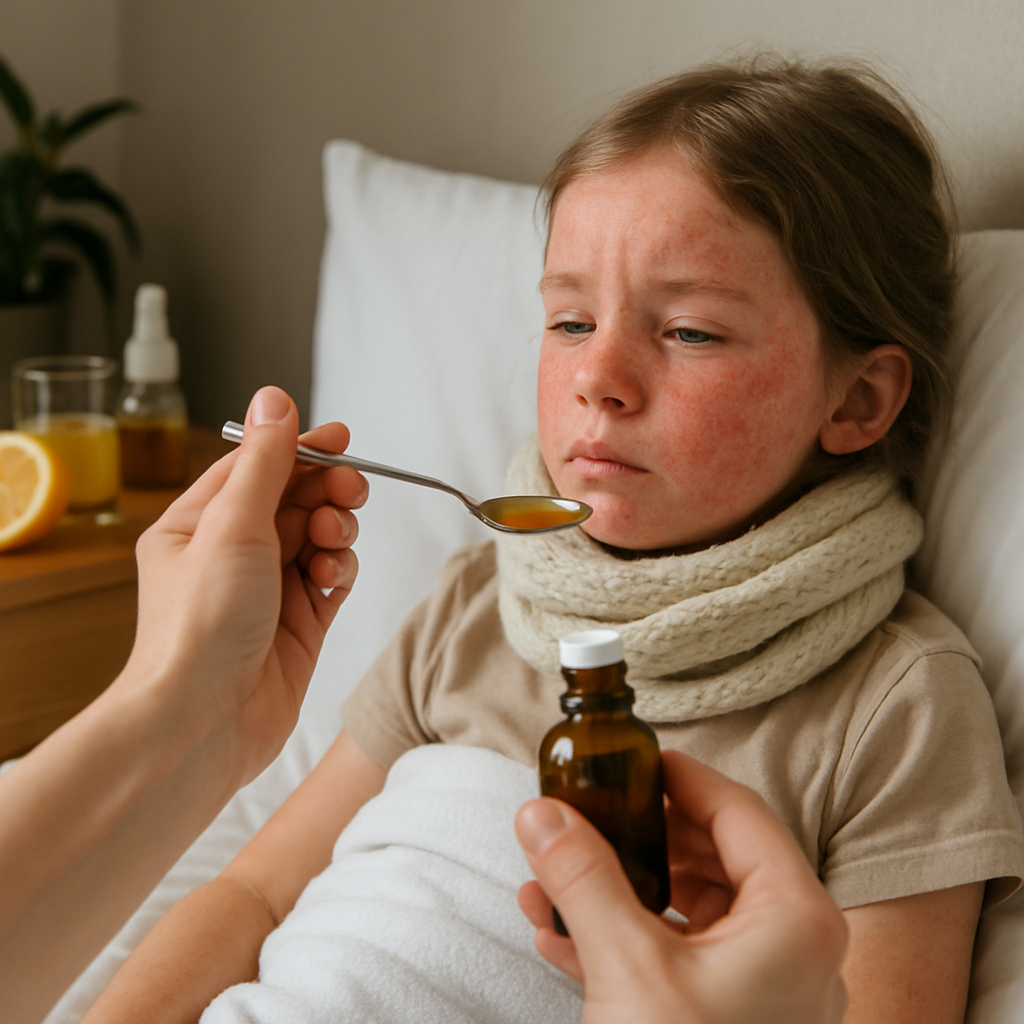
Understanding Scarlet Fever and Practical Home Support
If someone in your household has been diagnosed with scarlet fever, there are supportive steps you can take at home while following your doctor’s prescribed antibiotics regimen. Home remedies cannot cure scarlet fever—only antibiotics like penicillin or amoxicillin can—but they can reduce discomfort and help limit the spread of the group A streptococcus bacteria. Early action with both medical treatment and hygiene can protect vulnerable family members and offer symptom relief. Below is a detailed look at supportive measures and infection control guidance specifically adapted for scarlet fever at home, with insights from trusted medical sources like News Medical and Cleveland Clinic.
Relieving Sore Throat and Rash: Practical Remedies with Safety in Mind
The hallmark symptoms of scarlet fever—a sore throat, red rash, and fever—can make basic daily life uncomfortable, especially for children. While antibiotics fight the underlying streptococcal infection, gentle home remedies offer additional relief. Encourage soft, cool foods such as applesauce, yogurt, scrambled eggs, and popsicles, which are often soothing and easier to swallow when the throat is sore.
For throat discomfort, frequent sips of warm (not hot) liquids—like broth or herbal tea—may ease pain. Gargling with salt water can also temporarily reduce throat irritation, but is best suited for older children who can do so safely. Avoid acidic juices and spicy foods, which can worsen pain.
The scarlet fever rash often triggers significant itchiness. Applying a mild over-the-counter anti-itch cream, like 1% hydrocortisone or calamine lotion, can give relief. Keep the child’s nails trimmed and encourage them not to scratch, which can break the skin and potentially lead to secondary infections.
If itchiness or pain is interfering with sleep or daily activities, you can use an age-appropriate dose of acetaminophen or ibuprofen after consulting your healthcare provider. Read more about safe symptom relief at the Mayo Clinic.
Preventing Group A Streptococcus Transmission: Hygiene Essentials for the Home
Scarlet fever bacteria easily spread through droplets from coughs or sneezes, as well as contaminated hands and surfaces. At home, discipline around hand hygiene is vital. Everyone should wash their hands thoroughly with soap and water, especially after coughing, sneezing, or touching the face, and before preparing or eating food. If soap is not available, use an alcohol-based hand sanitizer.
Dispose of used tissues promptly. Any handkerchiefs, towels, or clothing that come in contact with saliva or nasal secretions should be washed in hot water before reuse. Utensils, cups, washcloths, and bedding must not be shared with an infected person.
Toys and frequently touched surfaces—like doorknobs and bathroom fixtures—should be disinfected daily. This helps control onward transmission of the scarlet fever bacteria, especially in homes with young children.
Care Strategies: Isolation, Bed Rest, and Recovery Precautions
Rest is important for allowing the body to recover from infection. The affected individual should stay in bed if needed and avoid strenuous activity. To prevent spread within the household, keep the patient in a separate area as much as possible, and ensure their items are not used by others.
If a child has scarlet fever, keep them home from school or daycare until at least 12 to 24 hours after starting antibiotics and once fever-free. The contagiousness of scarlet fever typically drops dramatically after one day of correct antibiotic therapy, but maintaining precautions for several days is prudent, as noted on Cleveland Clinic.
Monitor for complications such as a persistent fever, trouble breathing, ear pain, or joint swelling. If these symptoms occur, seek prompt medical advice.
Long-Term Health Management and Recognizing Complications
While most scarlet fever cases resolve without issue after a full course of antibiotics and supportive care, rare but serious complications can develop. These include rheumatic fever, kidney inflammation (post-streptococcal glomerulonephritis), or abscess formation. Adhering to the prescribed antibiotic schedule is essential, even if your child feels better before the medicine is finished.
After recovery, encourage a gradual return to normalized eating and activities. Clean and disinfect toys and common areas one last time, and keep up with routine hand washing as a general family habit.
For detailed scientific and public health information about scarlet fever, including photos of classic signs like 'strawberry tongue,' visit News Medical.
By combining prescribed antibiotics with careful home hygiene and supportive measures, you can significantly reduce scarlet fever's risk of spread, accelerate recovery, and help minimize discomfort at home.
Comments
Post a Comment