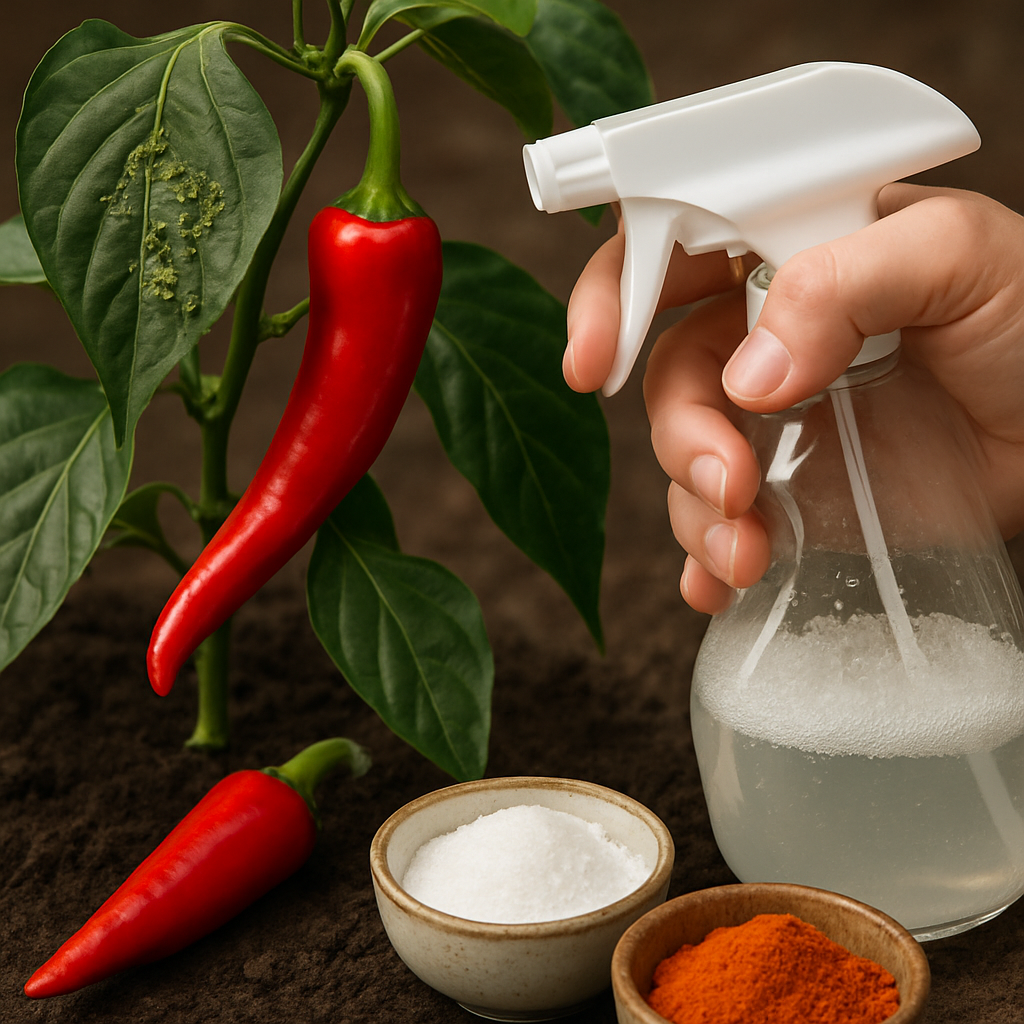
If you are trying to get rid of aphids on your pepper plants, you are not alone. Gardeners commonly face outbreaks of these sap-sucking pests, which can cause severe damage to tomatoes, chilli varieties, and even tiny pepper seedlings. The good news: with practical at-home remedies like dish soap sprays, hot pepper solutions, and natural insect repellents, you can treat and protect your plants effectively and safely. Here is how these remedies work and step-by-step methods to help you rescue your peppers from aphids and other pests.
Understanding Aphid Symptoms and Damage on Seedlings and Mature Capsicum Plants
Aphids are small, soft-bodied insects that cluster on the undersides of pepper leaves, stems, and new growth. Typically, they appear green, black, brown, or even fuzzy grey depending on the species. Common symptoms include curled leaves, sticky honeydew residue, and stunted or distorted seedlings. If left untreated, aphid infestations may attract ants, cause white mold, and weaken the plant’s ability to set fruit.
It is not just the physical damage that is concerning—aphids can also transmit plant viruses between susceptible crops such as tomatoes, capsicum, and broad beans. Early identification and control are therefore essential. Regularly inspect the undersides of leaves and new shoots for signs of eggs or clusters of tiny moving insects.
Look out for secondary signs like curling, yellowing, or tiny holes on the foliage. Keeping a close watch, especially in humid or warm indoor environments, helps catch infestations before they get out of hand. Plants already weakened by pests may also be more prone to fungal issues and other pests like thrips and mites.
DIY Dish Soap Spray: A Trusted Remedy for Outdoor and Indoor Infestations
Dish soap sprays are one of the safest and most effective solutions to combat aphids on pepper plants. Simply mix a few drops of mild liquid dish soap with water and transfer the mixture to a spray bottle. Shake well, then thoroughly mist both sides of the leaves, focusing particularly on the undersides and around the stem where aphids and their eggs are often hidden. Reapply every 2-3 days for 1-2 weeks depending on the severity of the infestation. Always use a gentle spray to avoid damaging delicate seedlings and young chilli plants (Pepperscale).
The science behind dish soap solutions lies in the fatty acids, which break down the outer membranes of soft-bodied pests such as aphids, spider mites, and whiteflies. This method also dissolves sticky honeydew, reducing ant activity and secondary mold. Some gardeners prefer biodegradable or fragrance-free soaps to ensure pepper plants remain safe for consumption.
After a treatment cycle, you may notice a white residue from soap suds on the foliage. This is usually harmless, but to keep peppers looking healthy, consider rinsing your plants with a gentle stream of water 24 hours after the final application. For larger outdoor patches, soap spray can be alternated with other remedies for maximum effect.
Hot Pepper and Cayenne Spray Solutions for Repelling Aphids and More
Another powerful, natural treatment for aphids is to create a homemade chilli or cayenne pepper spray. Chop several hot peppers (like cayenne or even red chilli) and soak in warm water for a few hours. After straining out the solids, pour the spicy liquid into a spray bottle and apply it generously to both sides of the leaves.
The active compound, capsaicin, works as an insect deterrent by disrupting the nervous systems of aphids and other pests, without harming your actual pepper plants. This DIY spray not only helps with aphid control, but can also deter thrips, whiteflies, and even slugs (Pepperscale).
Gardeners on forums like reddit frequently report success with hot pepper and even Tabasco-based sprays for both indoor and outdoor use. However, always wear gloves and rinse your hands after preparing or applying these solutions to avoid skin irritation. Spray in the early morning or late evening, and avoid windy or sunny conditions to prevent plant stress.
Vinegar and Supplemental Natural Remedies for Persistent Aphid Control
In addition to soap and hot pepper sprays, a diluted vinegar solution can help manage aphids. Combine one part white vinegar with three parts water, then mist affected leaves and stems. Vinegar’s strong acidity can kill soft-bodied pests on contact, but be careful not to oversaturate delicate foliage, as it can cause leaf burn on some pepper plants.
It is good practice to test any new treatment on a few leaves first to check for adverse reactions. Rotate between methods such as dish soap, vinegar, and hot pepper sprays to keep the aphid populations from rebounding. Natural predators like ladybugs can also be introduced and encouraged to feed on aphids, providing sustainable, long-term pest control (Pepper Joe).
Organic gardeners sometimes sprinkle diatomaceous earth around the base of outdoor pepper plants to create a physical barrier against crawling insects. Others weave marigold, spinach, or nasturtium companion plants nearby to attract beneficial insects and repel thrips, mites, and aphids.
Consistent treatment and close observation are the keys to long-term success. Never overapply vinegar or any spray—moderation is best to protect tender chilli, tomato, or brussel sprout seedlings.
Best Practices: Preventing Aphids and Keeping Your Pepper Plants Healthy
Beyond treating aphid outbreaks, practicing good plant health habits helps prevent future infestations. Inspect your peppers weekly for early signs of aphid eggs or active clusters. Remove dead or heavily infested leaves and dispose of them away from the garden area to reduce egg and nymph spread.
Use a gentle stream of water to regularly rinse the undersides of leaves and discourage aphid colonies from gaining a foothold. Avoid over-fertilizing with nitrogen-heavy feeds, as lush new growth is particularly attractive to many pest types including green and red aphids, whiteflies, and slugs.
Keep your pepper beds weed-free and spaced to increase airflow, and rotate crops each season among outdoor beds. Inviting ladybugs or lacewings with flowering herbs or marigolds is an excellent way to maintain natural checks on pest populations.
An indoor pepper plant or small container garden benefits from regular rinsing and occasional soap spray as a preventative measure. Always check new plant arrivals for hitchhiking insects, eggs, or sticky webbing before introducing them to established gardens.
With consistent vigilance, rotation of natural remedies, and a healthy diversity of plants, you can control aphids on pepper plants without sacrificing your crop or relying on harsh chemicals.
Comments
Post a Comment