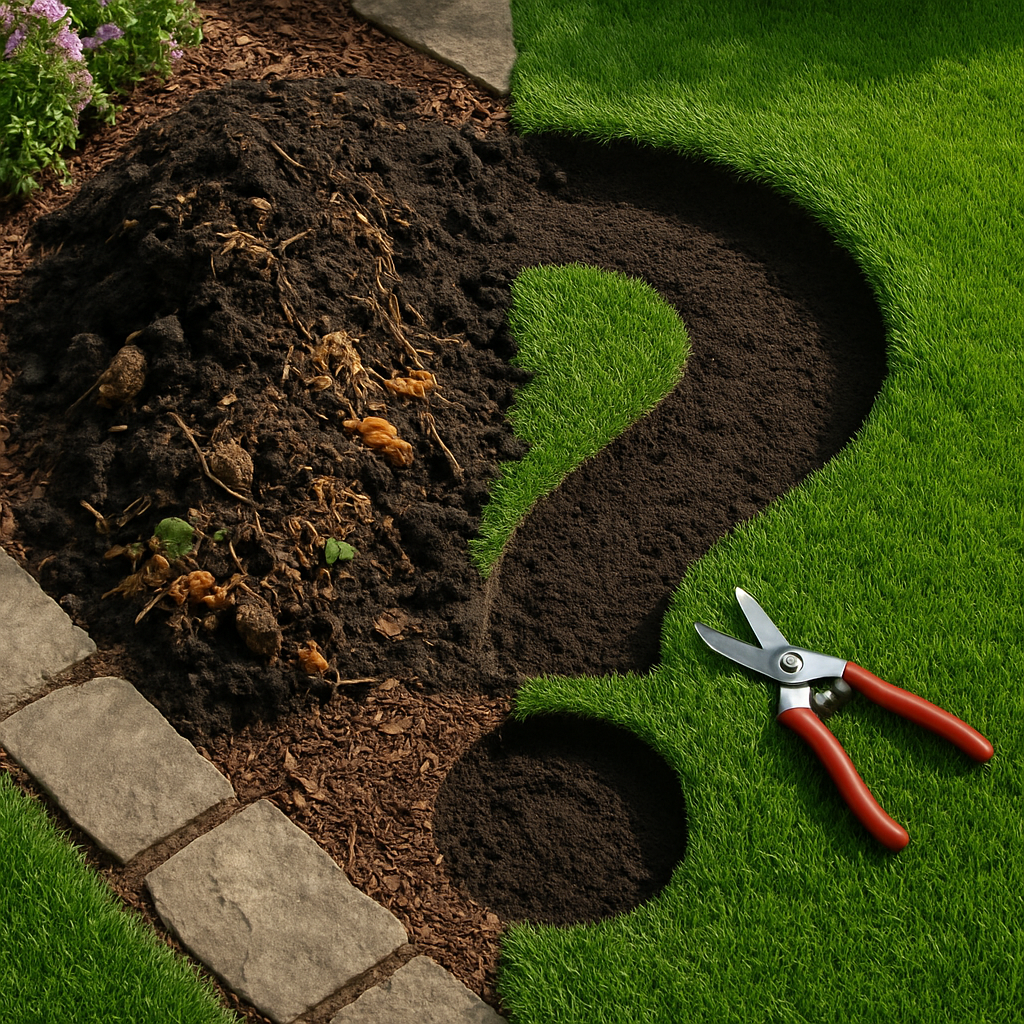
While composting is widely praised for its environmental and gardening benefits, it is important to recognize that there are significant disadvantages and hidden risks that can impact both soil health and plant growth. Understanding these drawbacks will help gardeners, farmers, and compost enthusiasts make informed decisions and avoid potential pitfalls when managing their organic waste and soil amendments.
Odor and Pest Management Challenges in Outdoor Compost Bins
One of the most common problems related to composting is the development of unpleasant odors, especially when compost bins are not carefully balanced between green (nitrogen-rich) and brown (carbon-rich) materials. Excessive moisture or poor aeration can cause the pile to turn anaerobic, releasing foul-smelling gases. This makes maintaining a compost bin in outdoor or kitchen settings potentially problematic for households sensitive to smells or working in small spaces.
Odors from compost can also attract unwanted pests such as rodents, insects, and even stray pets if bins are not properly sealed. This can lead to infestations in the garden or kitchen that are difficult and expensive to manage. Ensuring correct ratios and turning compost regularly can help, but these solutions require ongoing effort.
Particularly in urban or suburban areas, neighbors may be bothered by compost-related smells or pests, raising potential conflicts or even municipal code violations for improper bin maintenance.
Inconsistent Nutrient Content and Soil Fertility Limitations
Another disadvantage of composting is the inconsistent and often unpredictable nutrient profile of finished compost. Unlike commercial fertilizers that provide specific ratios of nitrogen, phosphorus, and potassium (NPK), home compost can vary widely based on the input materials. This makes it difficult for gardeners to precisely meet plant nutritional needs, leading to uneven growth or nutrient deficiencies in some cases.
According to the US Composting Council, nutrients in compost are generally released slowly and are not always immediately available to plants. While this gradual release reduces the risk of runoff, it may not supply enough nourishment for nutrient-demanding crops, especially in the initial months after application.
Some composts, particularly those made from only a limited range of kitchen or garden waste, may lack essential secondary nutrients like calcium and magnesium. This can require supplemental fertilization—partly negating compost's value as a "complete" soil amendment.
Because nutrient analysis for homemade compost is rarely performed, the uncertainty poses risks for both large-scale and home gardeners aiming for consistent results.
Labor, Time, and Physical Demands of Large Scale Composting
Composting is not a passive activity; it requires regular labor to ensure success. Large-scale composting, whether for farms or community gardens, can become particularly demanding. Managing temperature, moisture, and aeration in vast piles may require specialized equipment and significant time investment.
Turning compost is physically intensive work—especially when done manually. Improper handling not only slows decomposition but can also create pockets of pathogens or weed seeds that survive the process.
For those with physical limitations, the process can quickly become unsustainable or lead to injury. The workload includes regular monitoring, equipment maintenance, ingredient gathering, and periodic cleaning of bins and tools. Time required to produce finished compost often extends from several months to a year, which may not align with quick planting or seasonal gardening needs.
The density and weight of compost piles, especially as materials decompose and compact, further add to the physical challenge.
Potential Risks: Pathogens, Weeds, and Contaminants
Improper composting can introduce biological hazards and chemical contaminants into your soil. If the compost pile does not reach sufficient temperatures, harmful bacteria such as E. coli or Salmonella can persist and later transfer to edible crops. Using animal manure or biosolids increases this risk if not managed with care.
Weed seeds that are not destroyed by heat can survive the process and spread rapidly when compost is used in the garden. Similarly, pesticide or herbicide residues from treated grass clippings or food waste may end up in the finished product, affecting beneficial soil life and plant health.
Composts made from mixed or urban waste streams have higher risks for contamination with plastics, metals, or other non-biodegradable materials. Such contaminants are not always visible but can be harmful if they accumulate in the soil over time.
Regular testing, careful selection of input materials, and following best practices as outlined in resources like the Medina Compost Nutrients page are essential steps to minimize these hazards.
Home composters and small farms may lack means to comprehensively screen for contaminants, making vigilance even more important.
10 Key Drawbacks: Summary List of Composting Disadvantages
- Odors from improperly managed bins can make composting unpleasant and attract pests, especially in outdoor or kitchen locations.
- Finished compost often has variable nutrient content, making it hard to meet plants' precise nutritional requirements consistently.
- Composting is labor-intensive and physically demanding, particularly at larger scales, requiring significant time and effort.
- If piles do not reach adequate temperatures, pathogens and weed seeds may survive and contaminate soil or crops.
- Contaminants like pesticides, herbicides, and plastics can accumulate, potentially harming plants and soil life.
- The nutrient release from compost is generally slow, which can result in nutrient deficiencies for certain time-sensitive crops.
- Urban and suburban areas may have municipal restrictions, or neighbors may object to compost bins due to appearance or odor concerns.
- Compost requires adequate space, which may not be available in small yards or apartment dwellings.
- Composting improperly balanced materials can cause excessive moisture, leading to leachate runoff and increased pollution risks.
- The time required to produce usable compost can be lengthy, delaying soil amendment and planting schedules.
While composting remains a valuable sustainable practice, awareness of these disadvantages helps gardeners and land managers mitigate problems and achieve healthier soil outcomes for both small and large projects.
Comments
Post a Comment