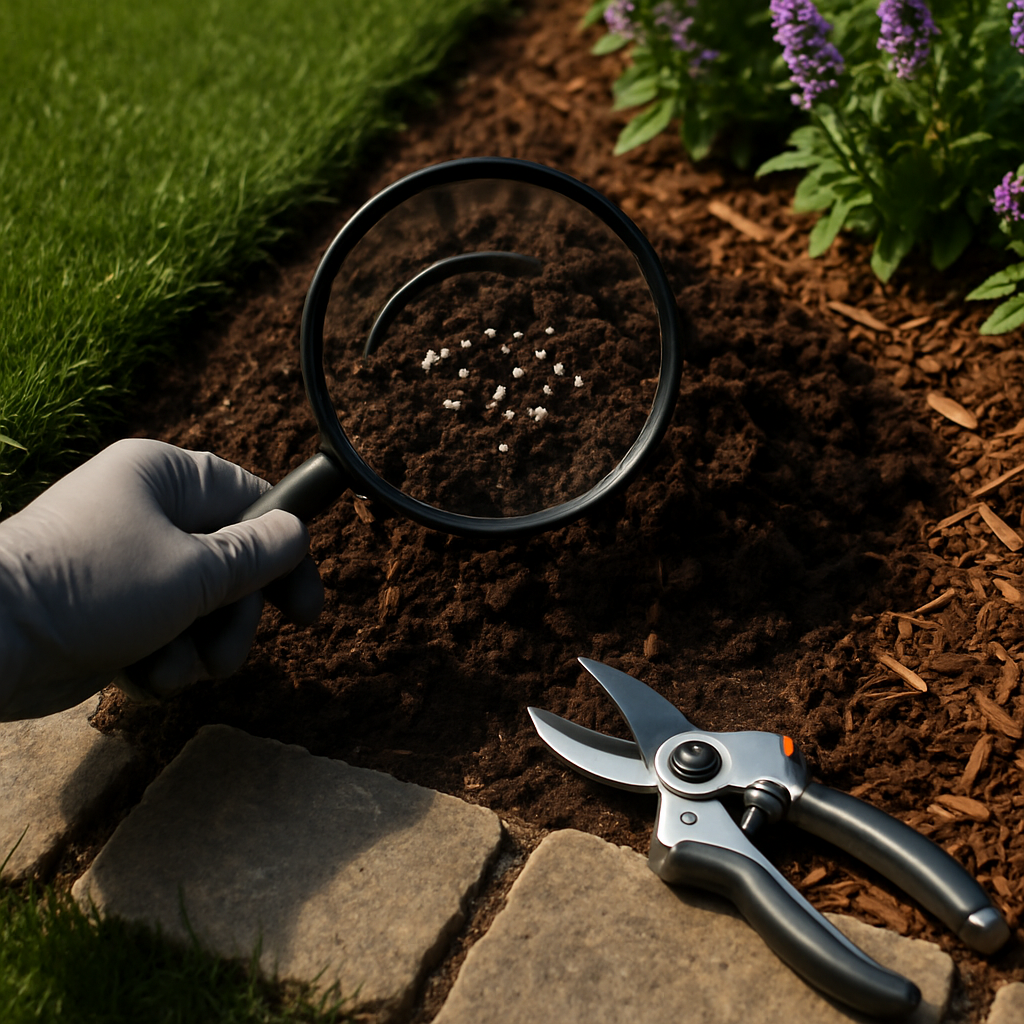
Understanding the Role of Mites in Your Compost Pile
If you have discovered white tiny bugs in your compost, chances are high that you are seeing mites. These common compost inhabitants are a sign of healthy decomposition, but overly high populations or the wrong types may indicate an imbalance or attract unwanted pests. Knowing how to identify and treat mites in compost will help you maintain an efficient system and avoid issues for your gardens or worm bins. Let’s address quick identification, treatment options, and guidance on how to get rid of mites if necessary, using only proven methods and reliable sources.
Identifying Beneficial and Harmful Mite Species in Compost
Mites in compost usually appear as tiny white, red, or brown specks moving around decomposing material. Most commonly, you will see white or reddish mites clustered in moist conditions. While many mites are harmless decomposers aiding in breaking down organic matter, some can become pests and crowd out essential composting organisms. White mites tend to flourish in conditions that are overly wet or full of excess food scraps.
Distinguishing different species is difficult without magnification, but if you notice massive clusters of white mites, especially in a worm bin or tumbler, it is usually a sign that conditions need to be adjusted. Red mites and a few other species, which are sometimes confused with beneficial rove beetles, can also explode in population when humidity stays too high.
In most backyard setups, identifying whether mites are beneficial or becoming a nuisance involves observing any negative impact on earthworms or the overall composting process. A healthy compost pile supports a broad array of critters, including mites, sowbugs, earthworms, spiders, and centipedes, as highlighted by the University of Florida IFAS Extension resource.
Proper identification is the first step toward any mite treatment or management plan. If your compost is breaking down steadily and smells earthy, there is usually no need for removal. However, if populations surge and decomposition stalls, or your worm bin houses red mites that appear to be harming your worms, action may be required.
Causes of Mite Outbreaks and Warning Signs to Watch
Mite populations often skyrocket due to an overabundance of wet food scraps or insufficient aeration in the compost pile. Signs that you may be dealing with an imbalance caused by mites include a sour or rotting odor, fruit flies, and visible swarms of white or brown bugs on the compost surface.
A thriving compost ecosystem should include a variety of invertebrates—spiders, sowbugs, centipedes—and earthworms, not just mites. The presence of only mites in large numbers is a warning signal that temperatures and bacterial activity have dropped, or that the carbon-to-nitrogen ratio is off. This could also mean that your compost is ready for harvest, especially if larger critters like earthworms are present in greater numbers again, as noted in the IFAS Extension's expert overview.
If you spot fruit flies or fungus gnats along with a host of mites, cut back on fruit and vegetable scraps and consider mixing in more brown, carbon-rich ingredients such as shredded leaves or cardboard. Regularly turning the pile and allowing it to heat up discourages excessive mite populations and helps keep the composting process on track.
Proactive Steps for Mite Treatment and Effective Prevention Methods
Managing mites in compost relies on restoring balance and denying conditions that encourage population explosions. First, check moisture: compost should feel like a wrung-out sponge. If it is soggy, mix in more dry brown materials and turn the pile to improve aeration. Keep your compost covered or inside a tumbler to help control moisture and keep flying pests out.
In red worm bins, remove any uneaten fruit scraps or wet, moldy material, as these are prime breeding grounds for mites and fruit flies. Gently scrape off visible mite clusters at the surface with a spoon or flat tool. Never use harsh chemicals; instead, physical removal and habitat modification are most effective for home composters. If you are concerned that mites are harming your worms, temporarily reduce feeding to slow their reproduction.
For outside piles and tumblers, ensure that the pile heats up periodically. High temperatures discourage not only excessive mites but also other compost pests. Maintaining a healthy mix of green and brown materials, turning the pile regularly, and monitoring the composting process help prevent major outbreaks.
- Increase brown (carbon-based) material if white bugs appear frequently.
- Allow piles to heat up above 130°F to keep mite and fly populations in check.
- Use covered bins to block rain and control moisture.
These steps encourage a diverse, balanced compost community, as recommended by authoritative resources such as Butler SWCD's compost critters guide.
Addressing Mite Infestations in Worm Bins, Gardens, and Potted Plants
When white mites overrun a red worm bin, worms may become sluggish or migrate from their bedding. In these cases, reduce feeding and increase ventilation. Remove surface clusters and avoid watering until bedding just barely sticks together. For potted plants where compost containing mites is used, only add mature, well-finished compost. Unfinished compost can introduce high numbers of mites and potentially attract pests to houseplants or gardens.
If you have concerns about whether mites are dangerous for your gardens, rest assured that the majority are strictly decomposers, not plant pests. In rare cases, if infestation levels injure your worms or inhibit decomposition, following the preventive maintenance guidelines above will resolve these issues naturally. For hydrangeas, outdoor bins, and compost tumblers, quick adjustment of moisture and feeding patterns usually brings conditions back into balance within days to a week.
Should you wish to stop mites naturally and fast, consistent compost monitoring, adjustment of carbon/nitrogen ratios, and prompt removal of excess wet matter are the most effective actions. Avoid the urge to use insecticides or chemical treatments—these can harm microbial life and disrupt the breakdown process.
In summary, white tiny bugs and brown or red mites are a normal part of healthy compost, but treating and removing excessive numbers is a matter of basic moisture control and good compost management practices.
Regular observation and simple preventive steps help keep your compost and gardens thriving while keeping mite populations in balance.
Comments
Post a Comment