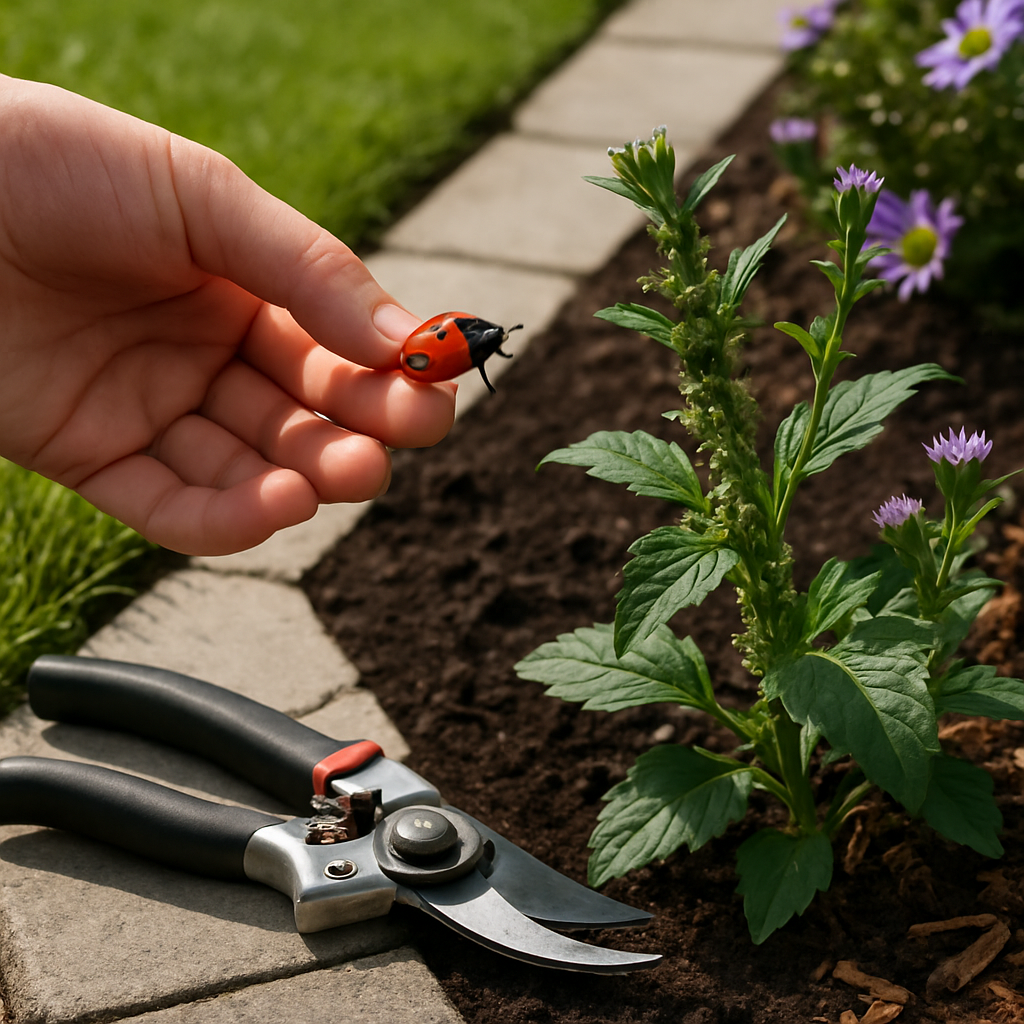
Why Ladybugs Are the Best Natural Aphid Control
If you want a pest-free garden without using harsh chemicals, ladybugs are one of the best solutions for controlling aphids. These beneficial insects eat aphids at every stage of life and are easy to attract or introduce. Using ladybugs is a safe and eco-friendly option, especially for vegetables, roses, and houseplants, where chemical insecticides can be harmful to people and pets.
Ladybugs are considered a natural predator for aphids and some other soft-bodied pests. Just one adult ladybug can eat up to 50 aphids a day. This makes them one of the best ways to keep populations in check before aphids can get out of hand. If you are noticing sticky residue, distorted leaves, or slow plant growth—these are among the early signs of aphid infestation—introducing ladybugs can help restore balance quickly.
Using insects for aphid control is an example of biological pest management that focuses on long-term prevention rather than instant elimination. For gardeners wanting a natural, sustainable solution for aphids indoors or outdoors, ladybugs are unmatched in their ability to reduce outbreaks and prevent them from returning.
How to Attract Ladybugs to Your Garden
Attracting ladybugs is easier than you think. They are naturally drawn to gardens with plenty of flowers, aphids, and water. Flowers such as dill, fennel, yarrow, and marigolds act as magnets for adult ladybugs because they provide both nectar and a safe habitat.
Another way to keep ladybugs in your garden is to avoid using systemic pesticides, which can kill both pests and beneficial insects. If you want to prevent aphid infestations before they start, provide a pesticide-free refuge for ladybugs and other beneficial insects to thrive.
Mulching and leaving some ground cover also create hiding places for ladybugs to lay their eggs. Having a well-watered garden not only helps your plants grow but also attracts ladybugs, who need water sources to live and breed. As you nurture your outdoor or indoor plants, the combination of food, cover, and water will ensure ladybug populations stay healthy.
Regular garden inspections help identify where aphids are gathering so you can focus your efforts on supporting ladybugs in those areas. The presence of ladybug larvae, which look like tiny black-and-orange alligators, is a good sign that natural aphid control is underway.
How to Use Purchased Ladybugs Effectively
If you find ladybugs for sale online or at local garden centers, you can purchase them to release in your garden. When buying ladybugs, it is best to choose reputable sources that offer native species to avoid harming local ecosystems.
Release ladybugs in the evening, after watering your plants, so they have moisture and are less likely to fly away. Place them near aphid colonies and gently shake them onto the infested leaves. Covering treated plants with light mesh for 24 hours helps ensure that ladybugs settle and start hunting aphids rather than dispersing immediately.
Ladybugs are also effective for indoor aphid control on houseplants. If you have indoor outbreaks, carefully release ladybugs onto the plant and ensure there are no drafts or escape routes. This allows them to find and eat aphids without quickly leaving the area.
Complementary Methods to Boost Ladybug Success
Using ladybugs is not the only solution for getting rid of aphids. Integrating several natural methods boosts your overall success and makes it hard for aphids to return. Spraying a strong jet of water dislodges aphids from leaves, immediately reducing their numbers without chemicals. Insecticidal soap, horticultural oil, and neem oil are safe options that also spare ladybugs, as referenced by the University of Maine Cooperative Extension.
Planting companion plants like onions, garlic, or chives can help repel aphids, lowering the burden on your ladybug allies. Maintaining healthy soil and balanced watering schedules makes plants more resilient so they can tolerate pests better. By combining these approaches, you prevent aphids from reaching critical mass and keep infestations under control naturally.
Inspect both houseplants and garden plants regularly for early aphid signs. Act quickly—mechanical removal, like pinching affected leaves or manual washing, gives ladybugs a head start at containing outbreaks before chemical intervention is needed.
If aphids persist despite ladybug introductions and organic approaches, consult reliable resources for guidance on escalating treatment, always prioritizing the least toxic solutions first. Following directions for any product carefully ensures the safety of your garden, pets, and the environment.
Welcoming ladybugs as nature's pest control supports a thriving, chemical-free garden, allowing you to enjoy healthier, more vibrant vegetables, flowers, and houseplants year after year.
Comments
Post a Comment